

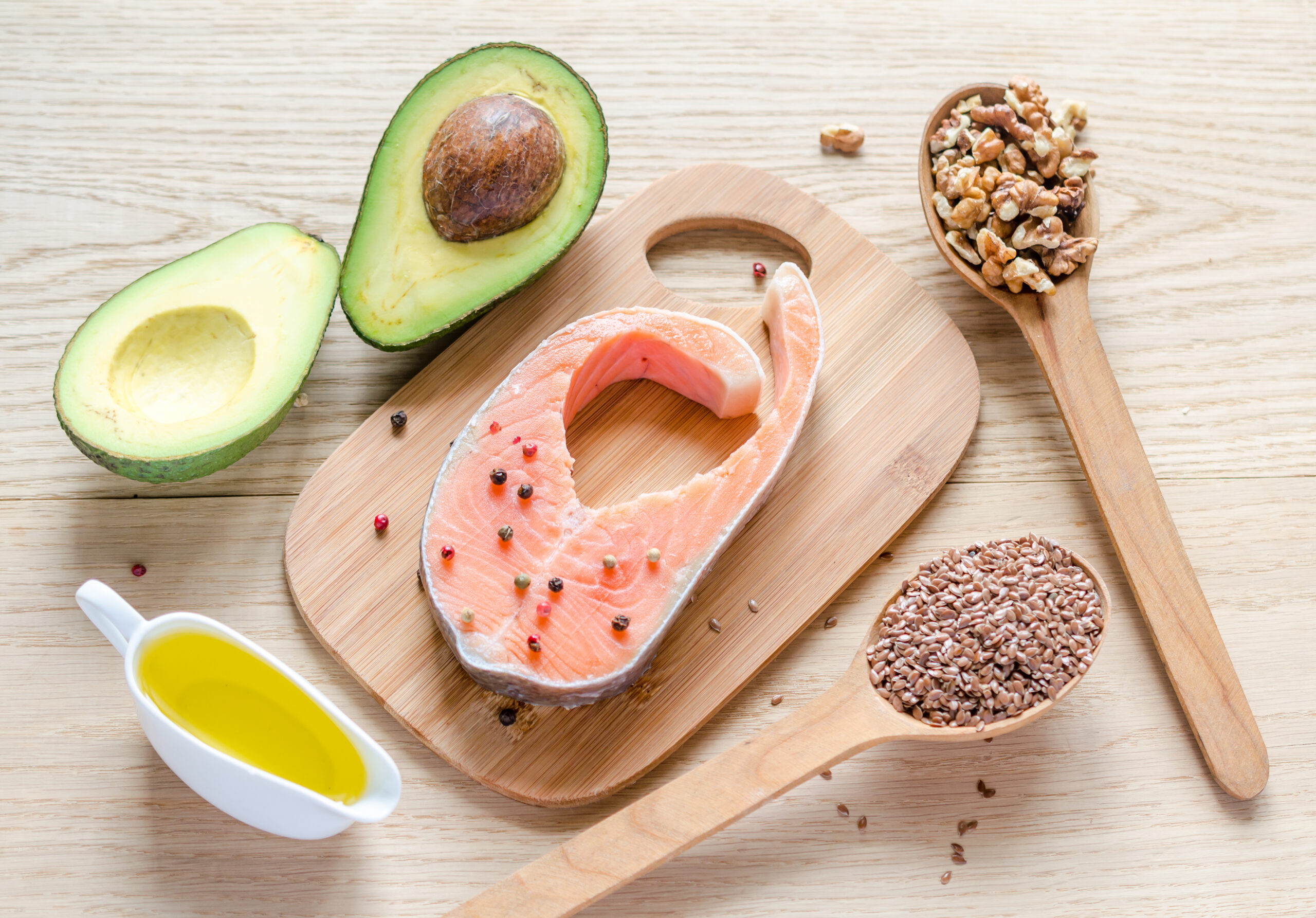
Fats are a widely misunderstood macronutrient, often demonized as something unhealthy to be avoided. But while some types of fats (saturated and trans fats) are best minimized, unsaturated fats are heart-supportive — particularly omega-3 fatty acids.
A typical Western diet pattern is high in unhealthy fats from fried, oily, and convenience foods. It’s also easy to eat a heavy amount of omega-6 fats in vegetable oils, which aren’t inherently bad but do need to be balanced with heart-healthy omega-3s.
So, what’s the relationship between omega-3 fatty acids and heart health? Where do they come from, and how can you get enough?
Understanding Omega-3 Fatty Acids
Your body cannot produce omega-3s, so you have to consume them through your diet.
Omega-3s play an important role in supporting eye, heart, and brain health, as well as producing hormones and reducing inflammation. They’re essential for the health and function of every cell in your body.
There are three types of omega-3s, each of which plays an important role in supporting cardiovascular wellness.
ALA (alpha-linolenic acid)
ALA is the precursor to EPA and DHA. However, only a very small percentage (estimated at less than 5% to EPA and less than 0.5% to DHA) is converted, so eating ALA alone is rarely enough to meet your omega-3 requirements.
Furthermore, we don’t have as much robust data on the heart health impacts of ALA as we do the other omega-3s.
Nonetheless, it’s still beneficial to consume ALA from plant foods like ground flaxseed, chia seeds, and walnuts, which also provide other important nutrients.
DHA (docosahexaenoic acid)
DHA is a major structural component of the cells in your eyes and nervous system. It makes up around 40% of the polyunsaturated fatty acids in your brain, most of which accumulates while you’re still in your mother’s womb through the first two years of your life.
DHA is predominantly found in seafood and fish, but not all fish are a good source of omega-3s. Stick to the higher-fat fish species, such as wild salmon, bluefin tuna, herring, lake trout, striped bass, sardines, and mackerel.
You can also find DHA in microalgae (sold as vegan omega-3 supplements), which is how fish get it in the ocean.
EPA (eicosapentaenoic acid)
Your body primarily uses EPA to make signaling molecules called eicosanoids. These are involved in your inflammation response. Getting enough EPA may also help support a healthy mood.
The best places to find EPA are usually where you’ll also get DHA, including fatty fish, fish oil, and seafood.
Omega-3 Fatty Acids and Heart Health Benefits
Research consistently shows that consuming omega-3s has a beneficial effect on cardiovascular health, especially related to heart attack and stroke prevention. Not only can omega-3 consumption help support healthier blood lipid levels, but its benefits extend to factors like plaque stabilization in the arteries.
Lowering Blood Lipids and Blood Pressure
Omega-3s are best known for their ability to lower triglyceride levels, a key risk factor for heart disease. While they may not substantially reduce LDL cholesterol, studies suggest they can help raise HDL cholesterol and modestly lower blood pressure, improving overall vascular health.
Reducing the Risk of Heart Attacks and Strokes
Clinical trials have linked higher intakes of EPA and DHA with a reduced risk of heart attack and ischemic stroke. One mechanism is their ability to stabilize vulnerable arterial plaques, making them less likely to rupture and trigger clot formation, which is a leading cause of these cardiovascular events.
Supporting a Healthy Heart Rhythm
Omega-3 fatty acids also appear to support electrical stability in the heart. This may reduce the risk of dangerous arrhythmias, or irregular heartbeats, that can lead to sudden cardiac death.
Reducing Inflammation
Chronic, low-grade inflammation is recognized as a driver of heart disease, among many other chronic health conditions. Omega-3s have natural anti-inflammatory properties, helping to reduce oxidative stress, calm immune overactivation, and protect the endothelium (the lining of your blood vessels).
Recommended Omega-3 Intake and 3:6 Ratio
While there’s no RDA for omega-3 intake, the Institute of Medicine has established an adequate intake (AI) — which is the amount presumed to be enough for most healthy people when there’s not enough evidence for an RDA.
The AI for total omega-3s is 1.6 grams per day for adult men and 1.1 grams per day for adult women, with slightly higher needs during pregnancy and lactation.
The World Health Organization (WHO) and the European Food Safety Authority (EFSA) recommend getting a minimum of 250–500 mg of combined EPA and DHA per day. However, surveys suggest that the average dietary intake among Americans is more like 90 mg per day.
It’s possible to consume adequate omega-3s from your diet via a combination of fatty fish, seafood, nuts, and seeds. However, many people find it easier to meet their needs by adding a supplement.
What We Know About the Omega 3:6 Ratio
Most people get significantly more omega-6s in their diet than omega-3s, which can have a pro-inflammatory effect. While we know that a balance of these is important, the research on the optimal ratio isn’t totally clear.
Some researchers believe that historically, before the industrialization of the food industry, humans were eating around a 4:1 ratio of omega-3s to omega-6s in their diet. Other evidence suggests that we were once thriving on closer to a 1:1 ratio, whereas today we’re eating about 16 times more omega-6s than omega-3s.
The best way to know whether your omega-3 intake is sufficient is by having an omega-3 index done. This is a blood test that measures the percentage of EPA and DHA present in your red blood cell membranes.
Unlike a standard cholesterol test, which reflects current blood lipid levels, the omega-3 index provides a longer-term picture of your omega-3 status over the past several months.
What’s optimal? A higher omega-3 index (generally 8% or above) is associated with better cardiovascular protection, including lower risk of heart attack, stroke, and sudden cardiac death. An index below 4% is considered low and linked to higher cardiovascular risk, while 4-8% is seen as an intermediate range.
Note that the omega-3 index isn’t a standard blood test ordered at a wellness exam. It has to be specifically requested and may not be covered by your insurance. If you’re curious about having this test done, speak with your healthcare provider.
How to Get Enough Omega-3s in Your Diet
There are several great places to find omega-3s in your diet; you just have to be intentional about what you’re eating and make sure you’re prioritizing these sources.
Fish and Seafood
Fatty fish are by far the best places to find EPA and DHA, but remember that not all of them contain the same amounts. Below is a table to help you make omega-3-rich choices.
| Type of fish/seafood | EPA per serving (mg) | DHA per serving (mg) |
| Salmon, baked | 516 per 3 oz | 678 per 3 oz |
| Tuna, canned | 19 per 75-gram pouch | 148 per 75-gram pouch |
| Trout, baked | 162 per 3 oz | 384 per 3 oz |
| Sardines, canned | 355 per 75-gram can | 382 per 75-gram can |
| Mackerel, grilled | 387 per 3 oz | 708 per 3-oz |
Plant-Based Omega-3s
As mentioned, whole food sources of ALA — such as flaxseeds and walnuts — are healthy foods, but they don’t provide enough EPA and DHA due to the low conversion rate of ALA.
While these are great to include in your diet, it’s important to also get direct sources of EPA and DHA, either from fatty fish or from algae-based supplements if you’re a plant-based eater.
Should You Take a Fish Oil Supplement?
Fish oil supplements can be a convenient way to increase your intake of EPA and DHA, especially if you don’t eat fatty fish regularly. Research supports their benefits for lowering triglycerides and supporting overall heart health, but they’re not risk-free.
Some studies have shown that high doses of fish oil can increase the risk of atrial fibrillation (Afib), a type of irregular heartbeat. For this reason, it’s best to discuss fish oil use with your healthcare provider, especially if you have heart disease or arrhythmia concerns.
Furthermore, some people may have an increased risk of bleeding if they have a bleeding disorder or are taking omega-3s while on blood-thinning medications. While the evidence is mixed, it’s important to be aware of this risk and speak with your healthcare team before adding an omega-3 supplement.
FAQs About Omega-3s and Heart Health
Is fish oil the best form of omega-3 supplements for heart health?
Fish oil supplements are one of the most widely available sources of omega-3s. While they can be helpful for some people, the best way to get omega-3s is from whole food sources, such as fish and seafood, directly.
Can omega-3s lower cholesterol and triglycerides?
Omega-3 fatty acids can be effective at lowering triglyceride levels. However, it depends on the dosage consumed, how high the triglycerides are, and the reason for dyslipidemia. Furthermore, while omega-3 intake may not drastically reduce LDL cholesterol alone, it can help improve overall lipid balance and reduce cardiovascular risk. In other words, this requires personalized nuance and individual guidance.
Do omega-3 supplements increase bleeding risk?
At typical dietary or supplement doses, omega-3s are not strongly linked to increased bleeding risk for most people. A 2024 systematic review and meta-analysis among 120,643 patients from 11 randomized clinical trials concluded that there was no increased bleeding risk associated with omega-3 supplements.
Still, very high doses may have a mild blood-thinning effect and could affect people differently. This could especially be a concern for those taking anticoagulant medications (like warfarin) or preparing for surgery. Always check with your healthcare provider or cardiovascular dietitian before starting omega-3 supplements, especially if you’re on blood thinners or have a bleeding disorder.
How much omega-3 should I take daily for heart health?
Most guidelines recommend somewhere around 250-500 mg of combined EPA and DHA daily for general heart health. However, many people should aim for higher than this. People with high triglycerides or existing heart disease may need more under the guidance of a cardiovascular dietitian and care team.
Are all fish oil supplements the same?
Fish oil comes in different chemical forms, most commonly the triglyceride form and the ethyl ester form. Research suggests that triglyceride-based fish oils are absorbed somewhat better by the body compared to ethyl ester oils, especially when taken with a fat-containing meal.
Ethyl ester forms are often more concentrated and may be less expensive, while triglyceride forms are closer to the natural structure found in fish. If you’re choosing a supplement, looking for labels like “re-esterified triglyceride form” can help you identify products with higher bioavailability.
Omega-3 Fatty Acids and Heart Health: Next Steps
Omega-3s are a proven ally for heart health, and getting enough of them can help support healthy blood fat levels, reduce inflammation, stabilize artery plaque, and protect against heart attack and stroke.
Whether you choose fatty fish or plant-based foods with appropriate supplementation, omega-3 intake is a smart step toward long-term cardiovascular wellness. Always talk with your healthcare provider before starting supplements to ensure the right dose and form for your individual needs.
Need help or want to learn more? I’ve been a cardiovascular dietitian for over 14 years, and I’d love to help you! Check out my 1:1 counseling services or group coaching program. You can also schedule a complimentary discovery call with me here.
Sources
- USDA FoodData Central. (2021). Fish, mackerel, grilled. https://fdc.nal.usda.gov/food-details/2706265/nutrients
- USDA FoodData Central. (2021). Fish, sardines, canned. https://fdc.nal.usda.gov/food-details/2706293/nutrients
- USDA FoodData Central. (2021). Fish, trout, baked or broiled. https://fdc.nal.usda.gov/food-details/2706303/nutrients
- USDA FoodData Central. (2021). Fish, tuna, canned. https://fdc.nal.usda.gov/food-details/2706311/nutrients
- USDA FoodData Central. (2021). Fish, salmon, baked or broiled. https://fdc.nal.usda.gov/food-details/2706286/nutrients
- Simopoulos AP. Evolutionary aspects of diet, the omega-6/omega-3 ratio and genetic variation: nutritional implications for chronic diseases. Biomed Pharmacother. 2006;60(9):502-507. doi:10.1016/j.biopha.2006.07.080 https://pubmed.ncbi.nlm.nih.gov/17045449/
- Tortosa-Caparrós E, Navas-Carrillo D, Marín F, Orenes-Piñero E. Anti-inflammatory effects of omega 3 and omega 6 polyunsaturated fatty acids in cardiovascular disease and metabolic syndrome. Crit Rev Food Sci Nutr. 2017;57(16):3421-3429. doi:10.1080/10408398.2015.1126549 https://pubmed.ncbi.nlm.nih.gov/26745681/
- NIH Office of Dietary Supplements. (2025). Omega-3 Fatty Acids: Fact Sheet for Health Professionals. https://ods.od.nih.gov/factsheets/Omega3FattyAcids-HealthProfessional/#h4
- EFSA. (2012). Scientific Opinion on the Tolerable Upper Intake Level of eicosapentaenoic acid (EPA), docosahexaenoic acid (DHA) and docosapentaenoic acid (DPA). https://www.efsa.europa.eu/en/efsajournal/pub/2815
- Sublette ME, Ellis SP, Geant AL, Mann JJ. Meta-analysis of the effects of eicosapentaenoic acid (EPA) in clinical trials in depression. J Clin Psychiatry. 2011;72(12):1577-1584. doi:10.4088/JCP.10m06634 https://pubmed.ncbi.nlm.nih.gov/21939614/
- Siriwardhana N, Kalupahana NS, Moustaid-Moussa N. Health benefits of n-3 polyunsaturated fatty acids: eicosapentaenoic acid and docosahexaenoic acid. Adv Food Nutr Res. 2012;65:211-222. doi:10.1016/B978-0-12-416003-3.00013-5 https://pubmed.ncbi.nlm.nih.gov/22361189/
- Singh M. Essential fatty acids, DHA and human brain. Indian J Pediatr. 2005;72(3):239-242. https://pubmed.ncbi.nlm.nih.gov/15812120/
- Plourde M, Cunnane SC. Extremely limited synthesis of long chain polyunsaturates in adults: implications for their dietary essentiality and use as supplements. Appl Physiol Nutr Metab. 2007;32(4):619-634. doi:10.1139/H07-034 https://pubmed.ncbi.nlm.nih.gov/17622276/
- Javaid M, Kadhim K, Bawamia B, Cartlidge T, Farag M, Alkhalil M. Bleeding Risk in Patients Receiving Omega-3 Polyunsaturated Fatty Acids: A Systematic Review and Meta-Analysis of Randomized Clinical Trials. J Am Heart Assoc. 2024;13(10):e032390. doi:10.1161/JAHA.123.032390 https://pmc.ncbi.nlm.nih.gov/articles/PMC11179820/