

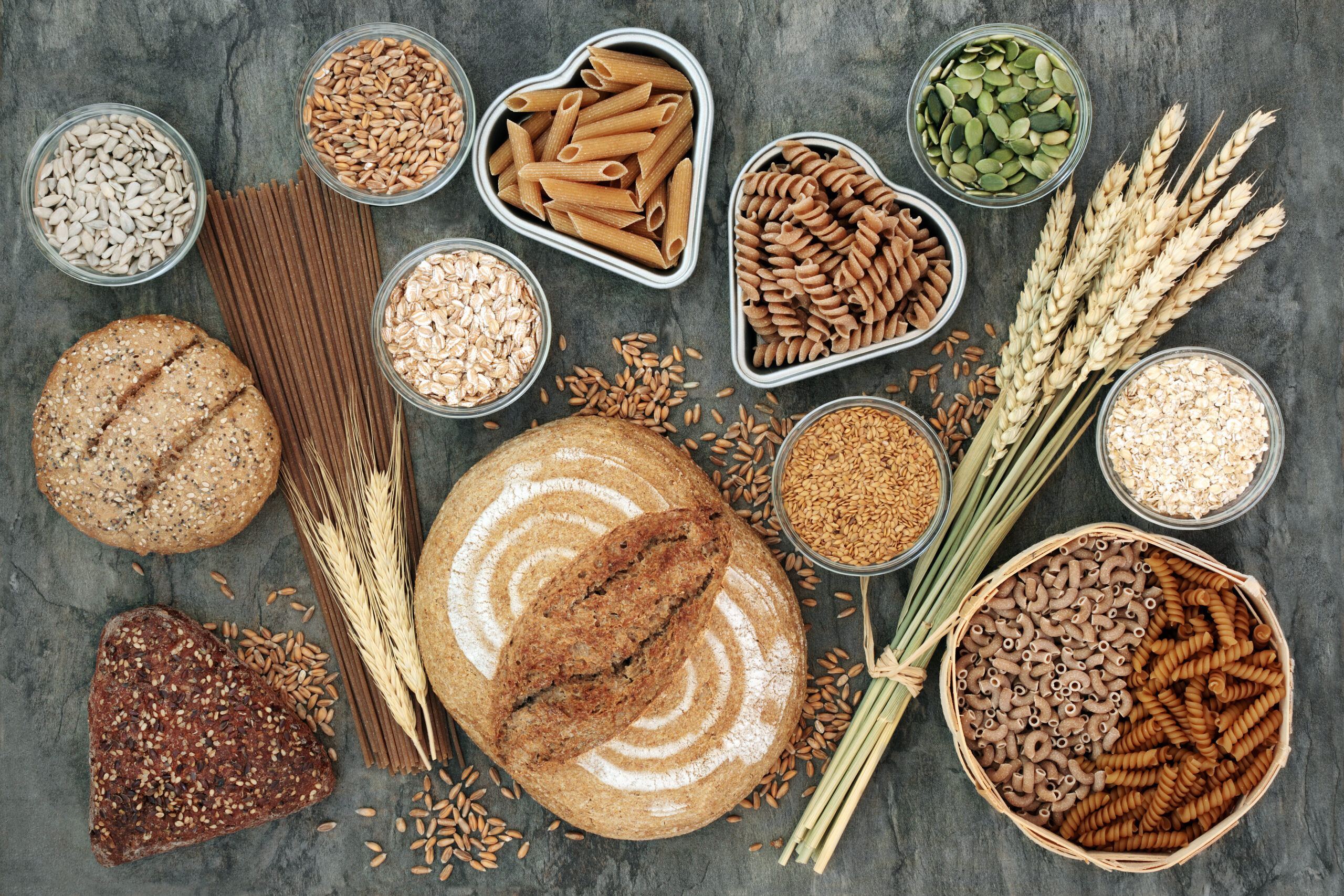
Whole grains have long been recommended for cardiovascular health, blood sugar regulation, and more, thanks to their high fiber content, B vitamins, and minerals. But not all grains are whole.
A whole grain has been minimally processed, allowing its kernel to retain its three original parts: the bran (fiber-rich outer layer), the germ (nutrient-dense core), and the endosperm (starchy middle). A refined grain, on the other hand, has been stripped of the bran and germ, removing most of the nutrients and leaving behind mostly starch, which is not so great for the heart.
Why Whole Grains Are So Good for Your Heart
Many people have been led to believe that carbohydrates are “bad” for you, promote weight gain, and should be avoided, especially breads and grains. However, carbs are your body’s preferred source of fuel, and there’s a big difference in benefit when choosing mostly whole grains versus refined ones.
Regularly eating whole grains is associated with the following heart health benefits:
- Supports a healthy weight
- Reduces risk of heart attack and stroke
- Supports a balanced gut microbiome
- Helps reduce total and LDL cholesterol
- Helps reduce triglycerides
- Reduces the risk of developing high blood pressure
- Improves blood sugar control
There’s also some evidence that not eating enough quality carbs, like whole grains, can increase your risk of heart disease.
For example, a 2021 study found that following low-carb diets is associated with higher coronary artery calcium scores, which is the amount of plaque buildup in arteries. Higher calcium scores indicate a higher likelihood of developing atherosclerosis and an increased risk of CVD.
Reading Labels on Grains
The best way to know whether a grain product is truly whole is to read the ingredient label. Many products will use certain claims to make them appear healthier than they really are, which can be confusing.
Some labels that don’t guarantee a product is whole grain include:
- Multigrain, which means a product contains more than one type of grain
- Enriched or fortified, which refers to the addition of vitamins and minerals
- Made with whole grains
Instead, “whole grain” or “whole wheat” should be the first ingredient on the list. You can also look for the Whole Grain Stamp for extra confidence. In the case of grains like oats or brown rice, the ingredient list should literally just say “oats” or “brown rice.”
The 8 Best Whole Grains for Heart Health
1. Oats
Oats contain a type of soluble fiber called beta-glucans, which helps lower total and LDL cholesterol. The fiber content of oats has also been linked to improved blood sugar control and weight loss. One cup of cooked oatmeal has about 4 grams of fiber.
Choose plain, rolled oats and avoid flavored instant varieties, which contain added sugars. Add fresh fruit, like berries or chopped apples, a dollop of plain yogurt, nut butter, and spices, like cinnamon or nutmeg.
2. Amaranth
Amaranth isn’t as well-studied as more popular whole grains, but laboratory and animal studies have linked various compounds in it, including phenolic acids, proteins, and squalene, with antioxidant activity and lower blood sugar, total cholesterol, and triglycerides.
Amaranth can be simmered in liquid for use in soups, salads, or eaten warm as a breakfast porridge. You can also toast or pop dry amaranth in a pot, similar to popcorn, and add it to homemade granola or trail mix.
3. Bulgur
Bulgur, also known as cracked wheat, is a wheat grain. The small grains resemble quinoa or couscous when cooked. One cup of bulgur provides 8 grams of fiber and 14% of your daily magnesium. Diets higher in magnesium have been associated with improved heart health and decreased risk of CVD.
Try a bulgur breakfast bowl topped with fresh fruit, nuts, and seeds. Because of its small size, you can also add bulgur to baked meatballs in place of breadcrumbs.
4. Quinoa
Often called a “pseudo-grain” (because it’s actually a seed), quinoa is gluten-free and rich in protein, providing a nice balance of essential amino acids. It’s also a good source of fiber, magnesium, and potassium, which play a role in regulating blood pressure and heart health. One cup of cooked quinoa provides 8 grams of protein and 5 grams of fiber.
Quinoa is also rich in antioxidants, zinc, and copper. Researchers have observed a decreased risk of both CVD risk factors and heart disease in people who eat more trace minerals. One cup of quinoa provides 20% of the daily needs for zinc and 100% for copper.
Quinoa makes a great alternative to rice and can be added to soups, casseroles, and stir-fries. You can also cook a pot of quinoa to prep grain bowls or add to salads throughout the week.
5. Whole Wheat
Whole wheat is one of the most accessible whole grains, showing up in bread, pasta, and tortillas. It offers a balance of fiber, iron, and B vitamins, nutrients that collectively support cardiovascular wellness.
6. Rye
Rye is particularly rich in alkylresorcinols, compounds concentrated in the bran layer that are linked to cholesterol reduction and digestive health.
It also provides phenolic acids (like ferulic and caffeic acid), lignans, and flavonoids such as quercetin and rutin, which act as antioxidants and may protect blood vessels. One study found that a hypocaloric diet including high-fiber rye bread improves satiety, supporting weight management.
Rye flour can also be used in muffins, crackers, or pancakes for a denser, nutty flavor. For a whole-grain option, try cooking rye berries like rice and adding them to grain bowls, pilafs, or cold salads for extra fiber and texture. A half-cup serving of rye grains provides 12 grams of fiber.
7. Teff
Teff is a tiny, gluten-free grain that’s especially high in iron, a nutrient not found in large amounts in most other grains. A half-cup serving of cooked teff provides 3.5 grams of fiber and 5 grams of protein, along with nearly a third of your daily iron needs.
It also provides resistant starch, which feeds healthy gut bacteria and supports blood sugar control. Its combination of minerals, fiber, and slow-digesting carbs makes teff a unique ally for both heart health and metabolic balance.
8. Buckwheat
Despite its name, buckwheat isn’t wheat. Like quinoa, it’s a gluten-free pseudo-grain packed with rutin, a flavonoid known to strengthen blood vessels and improve circulation. Studies link buckwheat intake to better blood pressure control and healthier cholesterol profiles, which appear to be due to its quercetin content.
Cook whole buckwheat groats as a hot cereal or side dish, use buckwheat flour in pancakes, crepes, or noodles (like Japanese soba), or sprinkle toasted buckwheat (kasha) over salads and soups for a nutty crunch.
How Many Whole Grains Should You Eat for Heart Health?
The USDA Dietary Guidelines for Americans recommends making at least half of the servings of bread, cereal, pasta, and other grains you eat in a day whole grains.
For most adults, this translates to 3 to 4 ounces of whole grains per day. One ounce of whole grains is equal to one slice of bread or a half-cup of cooked grains, like rice or oats.
Tips for Adding More Whole Grains to Your Diet
New to whole grains? Here are some ideas for increasing your intake:
- Swap refined grains for whole grains, such as brown rice instead of white rice
- Start your day with oats or whole-grain cereal
- Choose 100% whole wheat bread, pasta, and tortillas
- Experiment with ancient grains in salads and side dishes, like barley, quinoa, or amaranth
- Add ancient grains or brown rice to soups for additional fiber and bulk
- Substitute some all-purpose flour for 100% whole wheat flour in recipes, like for pizza crust, muffins, and banana bread
FAQs About Whole Grains and Heart Health
What’s the difference between whole wheat and whole grain?
Whole wheat is a type of whole grain that comes from the wheat kernel and includes the bran, germ, and endosperm. “Whole grain,” on the other hand, is a broader term that refers to any grain that contains all three parts, such as oats, barley, rye, quinoa, and brown rice. All whole wheat is whole grain, but not all whole grains are wheat.
How quickly can eating whole grains improve heart health?
You might notice some benefits, such as better digestion and more stable blood sugar, within days to weeks of adding whole grains (and ideally, replacing refined ones) to your diet. Improvements in cardiovascular health markers typically take weeks to months of consistent intake and require other improvements in your nutrition and lifestyle. Long-term research shows that regularly eating whole grains is linked to a lower risk of heart disease.
Where do grains fit on a gluten-free diet?
Not all whole grains contain gluten, so going gluten-free doesn’t have to mean grain-free. While wheat, rye, and barley should be avoided on a gluten-free diet, options like quinoa, brown rice, millet, amaranth, buckwheat, and sorghum are naturally gluten-free. These provide fiber, vitamins, and minerals without triggering gluten sensitivity or Celiac disease.
What’s the deal with whole grains and keto?
Most whole grains aren’t considered keto-friendly because they naturally contain carbs, which can exceed the strict limits of the diet. However, whole grains are a valuable source of nutrients and fiber that support long-term heart health.
Can I eat whole grains with diabetes?
Yes. Whole grains are recommended for people with diabetes because their fiber slows digestion and helps prevent sharp blood sugar spikes. Some whole grains also provide chromium, a trace mineral that may increase insulin sensitivity. Choosing intact grains like oats, quinoa, and barley can make managing blood sugar easier while still supporting heart health.
Make More Grains Whole for Your Heart
Whole grains are an important part of a heart-healthy diet. They contain beneficial fiber, vitamins, and minerals that can benefit your heart, blood sugar, digestion, and weight.
Although diet culture has given carbohydrates and many whole grains a bad reputation, a balanced diet that includes fiber-rich whole grains, lean protein, and healthy fat is best for optimal metabolic control and heart health. A diet makeover with more whole grains and fewer refined grains can also help improve elevated lipid levels and blood pressure readings.
Want more science-based nutrition and lifestyle tips for heart health? Join my email list for more heart disease prevention tips sent to your inbox every Tuesday morning!
Sources
- NIH. (2021). Study provides new evidence that eating whole grains may reduce heart disease risk in older adults. https://www.nhlbi.nih.gov/news/2021/study-provides-new-evidence-eating-whole-grains-may-reduce-heart-disease-risk-older
- USDA Dietary Guidelines for Americans, 2020-2025. https://www.dietaryguidelines.gov/sites/default/files/2021-03/Dietary_Guidelines_for_Americans-2020-2025.pdf
- Bhat S, Majeed Y, Yatoo GN, et al. Unravelling effects of phytochemicals from buckwheat on cholesterol metabolism and lipid accumulation in HepG2 cells and its validation through gene expression analysis. Mol Biol Rep. 2024;51(1):759. Published 2024 Jun 14. doi:10.1007/s11033-024-09695-z https://pubmed.ncbi.nlm.nih.gov/38874818/
- Singh D, et al. A review on the role of buckwheat in the management of hypertension. Journal of Pharmacognosy and Phytochemistry 2022; 11(2): 202-210. https://www.phytojournal.com/archives/2022/vol11issue2/PartC/11-1-66-951.pdf
- Llanaj E, Ahanchi NS, Dizdari H, et al. Buckwheat and Cardiometabolic Health: A Systematic Review and Meta-Analysis. J Pers Med. 2022;12(12):1940. Published 2022 Nov 22. doi:10.3390/jpm12121940 https://pubmed.ncbi.nlm.nih.gov/36556161/
- Chen Z, Liang N, Zhang H, et al. Resistant starch and the gut microbiome: Exploring beneficial interactions and dietary impacts. Food Chem X. 2024;21:101118. Published 2024 Jan 3. doi:10.1016/j.fochx.2024.101118 https://pubmed.ncbi.nlm.nih.gov/38282825/
- Iversen KN, Carlsson F, Andersson A, et al. A hypocaloric diet rich in high fiber rye foods causes greater reduction in body weight and body fat than a diet rich in refined wheat: A parallel randomized controlled trial in adults with overweight and obesity (the RyeWeight study). Clin Nutr ESPEN. 2021;45:155-169. doi:10.1016/j.clnesp.2021.07.007 https://pubmed.ncbi.nlm.nih.gov/34620312/
- Varadharaj S, Kelly OJ, Khayat RN, Kumar PS, Ahmed N, Zweier JL. Role of Dietary Antioxidants in the Preservation of Vascular Function and the Modulation of Health and Disease. Front Cardiovasc Med. 2017;4:64. Published 2017 Nov 1. doi:10.3389/fcvm.2017.00064 https://pubmed.ncbi.nlm.nih.gov/29164133/
- Magnusdottir OK, Landberg R, Gunnarsdottir I, et al. Whole grain rye intake, reflected by a biomarker, is associated with favorable blood lipid outcomes in subjects with the metabolic syndrome–a randomized study. PLoS One. 2014;9(10):e110827. Published 2014 Oct 23. doi:10.1371/journal.pone.0110827 https://pmc.ncbi.nlm.nih.gov/articles/PMC4207773/
- Aune D, Keum N, Giovannucci E, et al. Whole grain consumption and risk of cardiovascular disease, cancer, and all cause and cause specific mortality: systematic review and dose-response meta-analysis of prospective studies. BMJ. 2016;353:i2716. Published 2016 Jun 14. doi:10.1136/bmj.i2716 https://pubmed.ncbi.nlm.nih.gov/27301975/
- Ma X, Jiang S, Yan S, et al. Association Between Copper, Zinc, Iron, and Selenium Intakes and TC/HDL-C Ratio in US Adults. Biol Trace Elem Res. 2020;197(1):43-51. doi:10.1007/s12011-019-01979-x https://pubmed.ncbi.nlm.nih.gov/31745720/
- Agarwal A, Rizwana, Tripathi AD, Kumar T, Sharma KP, Patel SKS. Nutritional and Functional New Perspectives and Potential Health Benefits of Quinoa and Chia Seeds. Antioxidants (Basel). 2023;12(7):1413. Published 2023 Jul 12. doi:10.3390/antiox12071413 https://pmc.ncbi.nlm.nih.gov/articles/PMC10376479/
- Siddiqui RW, Nishat SMH, Alzaabi AA, et al. The Connection Between Magnesium and Heart Health: Understanding Its Impact on Cardiovascular Wellness. Cureus. 2024;16(10):e72302. Published 2024 Oct 24. doi:10.7759/cureus.72302 https://pmc.ncbi.nlm.nih.gov/articles/PMC11585403/
- Baraniak J, Kania-Dobrowolska M. The Dual Nature of Amaranth-Functional Food and Potential Medicine. Foods. 2022;11(4):618. Published 2022 Feb 21. doi:10.3390/foods11040618 https://pmc.ncbi.nlm.nih.gov/articles/PMC8871380/
- Paudel D, Dhungana B, Caffe M, Krishnan P. A Review of Health-Beneficial Properties of Oats. Foods. 2021;10(11):2591. Published 2021 Oct 26. doi:10.3390/foods10112591 https://pmc.ncbi.nlm.nih.gov/articles/PMC8625765/
- Sima P, Vannucci L, Vetvicka V. β-glucans and cholesterol (Review). Int J Mol Med. 2018;41(4):1799-1808. doi:10.3892/ijmm.2018.3411 https://pmc.ncbi.nlm.nih.gov/articles/PMC5810204/
- Gao (高静伟) JW, Hao (郝卿鋆) QY, Zhang (张海峰) HF, et al. Low-Carbohydrate Diet Score and Coronary Artery Calcium Progression: Results From the CARDIA Study. Arterioscler Thromb Vasc Biol. 2021;41(1):491-500. doi:10.1161/ATVBAHA.120.314838 https://pmc.ncbi.nlm.nih.gov/articles/PMC7752248/
- Hu Y, Willett WC, Manson JAE, Rosner B, Hu FB, Sun Q. Intake of whole grain foods and risk of coronary heart disease in US men and women. BMC Med. 2022;20(1):192. Published 2022 Jun 10. doi:10.1186/s12916-022-02396-z https://pmc.ncbi.nlm.nih.gov/articles/PMC9185912/
- Sawicki CM, Jacques PF, Lichtenstein AH, et al. Whole- and Refined-Grain Consumption and Longitudinal Changes in Cardiometabolic Risk Factors in the Framingham Offspring Cohort. J Nutr. 2021;151(9):2790-2799. doi:10.1093/jn/nxab177 https://pmc.ncbi.nlm.nih.gov/articles/PMC8417925/
- Hua Y, Clark S, Ren J, Sreejayan N. Molecular mechanisms of chromium in alleviating insulin resistance. J Nutr Biochem. 2012;23(4):313-319. doi:10.1016/j.jnutbio.2011.11.001 https://pmc.ncbi.nlm.nih.gov/articles/PMC33