

The relationship between weight loss and heart disease is one of the most common topics I address with my clients, and one of the most misunderstood.
Maybe your doctor told you to lose weight for your heart health. Maybe you’ve noticed unexpected weight loss, and you’re wondering if your heart is involved. Or maybe you’re living with a heart condition, and you’re unsure how to lose weight safely.
Whatever brought you here, this article covers what the research actually says, how weight and heart health are connected, and what a safe, science-based approach looks like in practice.
As a cardiovascular dietitian with over 14 years of experience, I’ve helped thousands of people navigate this exact topic. There is a real connection between weight loss and heart disease, but it’s more nuanced than most people realize.
How are Weight Loss and Heart Disease Connected?
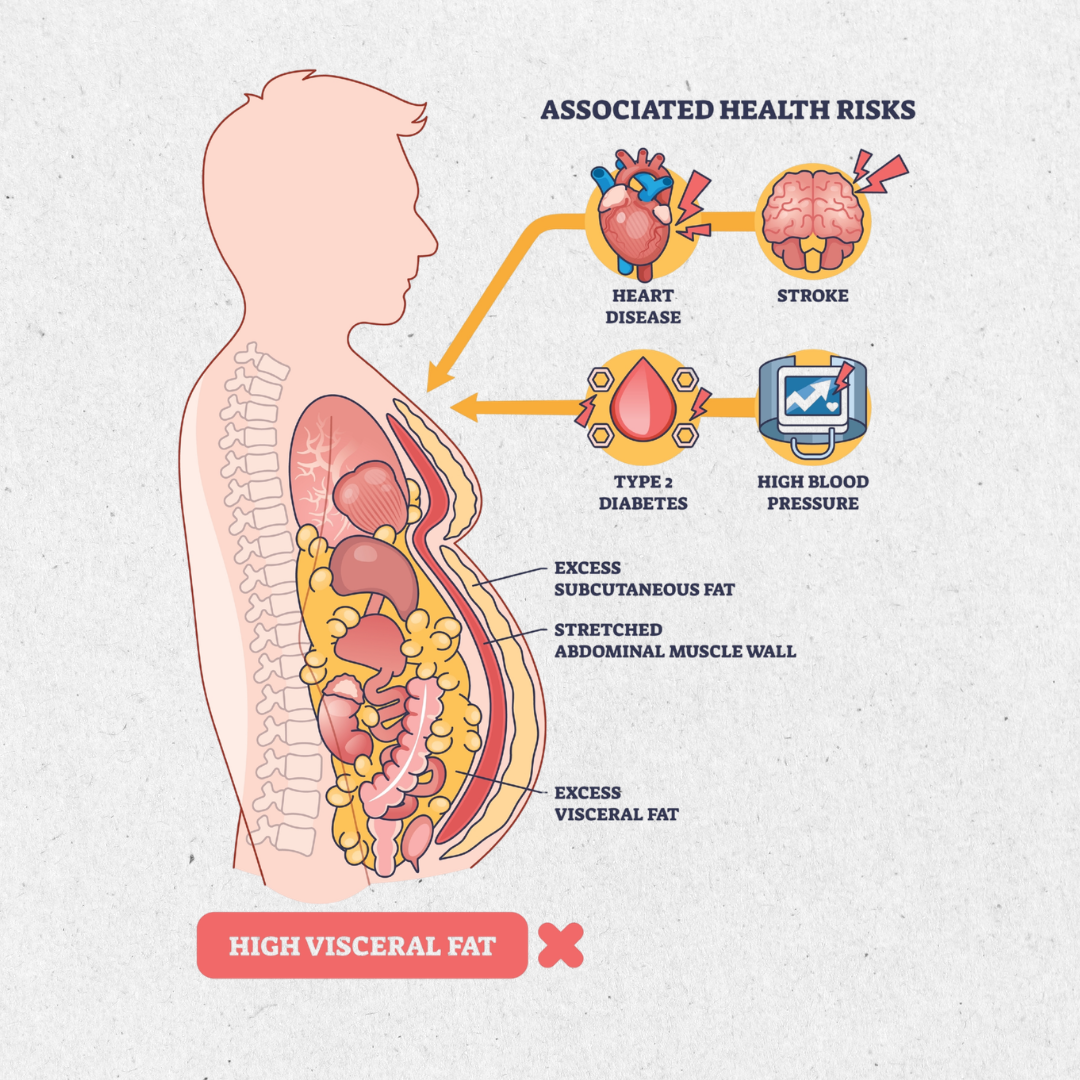
The connection between weight loss and heart disease runs deeper than most people expect. Excess body weight, particularly visceral fat stored around the abdomen, directly increases cardiovascular disease risk. But it’s important to note that weight is only one risk factor. You can be underweight or a healthy weight and still have heart disease. It should never be the only number you look at.
The Science Between Weight and Heart Health
Visceral fat is metabolically active tissue that continuously releases pro-inflammatory chemicals called cytokines into your bloodstream. Think of it like a factory that never shuts down, constantly producing signals that drive inflammation throughout your body, including inside your artery walls.
This is directly connected to epicardial fat, the fat that sits around your heart muscle itself. Research shows that excess epicardial fat releases these same inflammatory signals directly onto the heart, causing structural stress that impairs how well your heart pumps and functions.
Why Waist Measurements Matter More Than Weight
This is why waist circumference and waist-to-hip ratio are more meaningful measures of cardiovascular risk than weight alone. According to the American Heart Association, elevated risk begins above 35 inches in women and 40 inches in men for waist circumference, and above 0.85 in women and 0.90 in men for waist-to-hip ratio.
For South Asian populations specifically, these thresholds may not tell the whole story. They tend to accumulate more visceral fat at lower body weights, meaning cardiovascular risk can be elevated at measurements that standard guidelines would consider normal.
Even modest intentional weight loss of 5-10% can meaningfully improve blood pressure, blood sugar levels, and cholesterol markers. But how you’re losing that weight, and what you’re eating to get there, determines whether your heart health truly improves or not.
Excess body weight also forces your heart to work harder with every beat. Over time, this added strain can lead to left ventricular hypertrophy and dilation, structural changes to the heart muscle that increase the risk of heart failure and other serious cardiac complications.
For people with existing coronary artery disease, maintaining a healthy body weight is one of the most impactful modifiable risk factors available. But it’s only one piece of the picture. You can still develop heart disease at a healthy or even underweight body weight, which is why a comprehensive assessment of all your cardiovascular risk factors is so critical.
The Type of Weight Loss Matters
How you lose weight matters just as much as whether you lose weight at all.
My client John (name changed for confidentiality) lost 20 pounds on a Paleo diet following his doctor’s advice. A few months later, at just 45 years old, he had his third heart attack and stent placement. He was then scheduled for another stent a month later.
That’s when he began working with me. Despite losing weight, John had significant inflammation and suboptimal lab values:
- Waist circumference of 42 inches (target <38 inches), despite a normal BMI
- LDL of 98 mg/dL while on a statin, above his target of under 70 mg/dL
- Non-HDL cholesterol of 125 mg/dL, above his goal of under 80 mg/dL
We worked together on a nutrient-sufficient, science-based plan built around therapeutic foods and the specific vitamins and minerals his heart needed. In 4 months:
- His waist circumference dropped by 7 inches
- His LDL fell to 46 mg/dL
- His non-HDL cholesterol dropped to 56 mg/dL
These are all optimal for his risk factor with no changes in medication. John’s story highlights something I see repeatedly in practice. Losing weight doesn’t automatically improve heart health. Personalized, science based nutrition determines whether your heart disease risk factors improve or worsen. The best diet for heart disease and weight loss is one that prioritizes nutrient adequacy and includes the therapeutic foods your heart specifically needs.
Can Weight Loss Reverse Heart Disease?
Weight loss alone isn’t a guaranteed fix for heart disease, but when it’s approached the right way, the results can be impactful. I’ve seen clients lower their LDL dramatically, reduce inflammation, improve heart function, and in some cases reduce or eliminate medications entirely through targeted, science-based nutrition paired with intentional weight loss.
It’s also worth noting that weight isn’t the only factor in improving heart health. I’ve worked with athletes, underweight individuals, and people at a healthy weight who still had plaque in their arteries, high blood pressure, atrial fibrillation, and heart failure. Weight is one piece of a much larger picture.
For those who do need to lose weight, research shows intentional weight loss can improve several key cardiovascular markers:
- Blood pressure: Reducing excess body weight lowers the mechanical strain on your blood vessels.
- Blood sugar levels: Even modest weight loss improves insulin sensitivity and glucose regulation.
- Triglycerides: Weight loss is one of the most effective ways to bring elevated triglycerides down.
- HDL cholesterol: Losing weight helps raise your protective HDL levels over time.
But how you lose weight matters just as much as losing it. Trendy diets and biohacks are rarely sustainable and can leave critical nutrient gaps that can worsen your heart health. In my practice, I focus on helping clients lose weight and maintain it long term through a science-based, nutrient sufficient approach built around their specific labs, medications, and cardiovascular risk factors.
If you’re ready to take a structured, evidence-based approach, my Optimize group coaching program is a great place to start.
How to Lose Weight Safely With Heart Disease
Losing weight with a heart condition requires a fundamentally different approach than standard weight loss advice.
The Problem With Most Weight Loss Diets
Most popular diets focus exclusively on calorie restriction or eliminating entire food groups. Underfueling your body puts strain on your liver’s ability to do its job and can actually increase oxidative stress, inflammation, and cardiometabolic strain, even while the number on the scale goes down.
John’s story is a perfect example. He lost 20 pounds and still went on to have a heart attack. The diet he followed wasn’t addressing the underlying drivers of his heart disease. It was simply reducing calories.
Trendy diets rarely account for the specific vitamins, minerals, and therapeutic foods your heart needs to function optimally. And without those, weight loss alone may not reduce your cardiovascular risk.
Key Principles for Heart Healthy Weight Loss
- Prioritize nutrient adequacy: Your heart needs specific amounts of certain nutrients to maintain healthy blood flow, regulate heart rhythm, and support blood vessel function. Nutrient adequacy means not too much and not too little, but the right amount for you specifically. What works for someone else isn’t necessarily what your heart needs. A cardiovascular dietitian looks at your labs, age, sex, food preferences, fitness level, and medical history to determine exactly what your body requires.
- Address inflammation directly: Chronic inflammation drives plaque formation and cardiovascular disease progression. A heart healthy weight loss plan should include foods that actively reduce inflammatory markers like hs-CRP, uric acid, and GGT. If you want a deeper understanding of which inflammatory labs matter most for your heart health and how to interpret them, my Know Your Numbers: Heart Labs Explained course walks you through each one in plain language.
- Support endothelial function: Your blood vessel lining plays a critical role in heart health. Therapeutic foods that support nitric oxide production and reduce oxidative stress are essential components of any heart healthy weight loss plan. But it’s not just about adding more beets or leafy greens. It’s about optimizing gut health so nitric oxide can be made effectively in your body.
- Work with your labs: Your triglycerides, apoB, blood sugar levels, and inflammatory markers all inform what your body specifically needs. A personalized, lab-informed approach produces far better results than any generic plan.
- If you’re using a GLP-1 medication: GLP-1 medications can be a helpful tool when used appropriately, but they’re not a standalone solution. Research shows that significant appetite suppression can lead to micronutrient deficiencies and muscle loss if you’re not eating enough of the right foods. Gut health also plays a critical role in managing side effects like nausea, diarrhea, and acid reflux. A cardiovascular dietitian ensures your nutrition supports both your weight loss and your heart health throughout.
- Watch for sarcopenic obesity: It’s possible to have excess body fat and low muscle mass at the same time, even at a seemingly healthy weight. This combination, known as sarcopenic obesity, significantly increases cardiovascular risk and is often missed when weight is the only metric being tracked. Preserving muscle mass while losing fat is a critical goal of any heart healthy weight loss plan.
If you’re ready to take a science-based, nutrient-first approach to weight loss and heart health, learn more about my Optimize group coaching program.
Can Heart Disease Cause Weight Loss? Understanding Cardiac Cachexia
Most people associate heart disease with weight gain, but heart disease can also cause unintentional weight loss. This is known as cardiac cachexia, a condition most commonly seen in chronic heart failure that’s often overlooked and frequently mistaken for normal aging.
Cardiac cachexia is characterized by involuntary muscle and fat loss driven by chronic inflammation, neurohormonal activation, and poor nutrient absorption. A 2024 systematic review and meta-analysis found that cardiac cachexia affects approximately 31% of patients with heart failure.
Undernutrition compounds this further. When your body isn’t consistently getting enough of the right nutrients, your heart muscle has to work harder with fewer resources, which can affect its ability to function optimally.
Recognizing it early and addressing it through targeted nutrition can make a meaningful difference in both quality of life and outcomes.
Cardiac Cachexia Symptoms
If you or a loved one is experiencing unexplained weight loss alongside a heart condition, watch for these signs:
- Significant muscle loss and weakness
- Fatigue and reduced exercise tolerance
- Loss of appetite
- Swelling in the legs or abdomen
The good news is that nutrition is one of the most powerful tools available for managing cardiac cachexia. I know that when you’re dealing with chronic fatigue and shortness of breath, even thinking about food can feel overwhelming. That’s why a targeted nutrition approach needs to work with you, not against you, focusing on foods that feel manageable, enjoyable, and energizing while preserving muscle mass, reducing inflammation, and ensuring your heart gets the nutrients it needs to function at its best.
Which Heart Conditions Benefit Most From Losing Weight
Intentional, nutrient-sufficient weight loss can benefit nearly every cardiovascular condition. These are the conditions where the evidence is strongest.
- Heart failure with preserved ejection fraction (HFpEF): HFpEF has a strong link to excess weight. Research shows that intentional weight loss improves symptom burden, exercise tolerance, and quality of life in people with HFpEF.
- Atrial fibrillation: Excess weight is a significant risk factor for atrial fibrillation. Studies show that weight loss can reduce AF burden and improve heart rhythm outcomes.
- Coronary artery disease: Losing weight reduces the strain on your blood vessels, improves inflammatory markers, and lowers atherogenic cholesterol levels, all of which directly impact coronary artery disease progression.
- High blood pressure: Weight loss is one of the most well-documented lifestyle strategies for reducing both systolic and diastolic blood pressure.
How much benefit you see depends on the type and stage of your heart condition, your individual risk profile, and the nutritional quality of your approach to weight loss. This is why working with a cardiovascular dietitian who understands your full clinical picture is so important.
Weight Loss Heart Disease: Working With a Cardiac Dietitian
When it comes to weight loss and heart disease, personalized guidance is a necessity. Generic diets don’t account for your individual cardiovascular risk profile, and what works for weight loss in a healthy person may not be appropriate for someone managing heart disease.
Your labs tell a story that a generic diet simply can’t address. Elevated hs-CRP, high triglycerides, suboptimal apoB, and poor blood sugar control all require different nutritional strategies. A science-based plan addresses each of these simultaneously rather than focusing on weight alone.
As a cardiovascular dietitian with over 14 years of experience, I’ve helped thousands of people lose weight, improve their cardiac labs, and reduce their risk of heart attacks and strokes through a nutrient first, personalized approach.
In my Optimize group coaching program, you’ll learn science-based heart health nutrition strategies alongside a close-knit community of people who truly understand what you’re going through. The support, accountability, and shared experience of working toward better heart health together makes the journey feel far less overwhelming and far more sustainable.
Weight Loss Heart Disease FAQs
Can weight loss reverse heart disease?
Weight loss on its own isn’t a guaranteed fix for heart disease, but when it’s approached with a nutrient-sufficient, science-based plan, it can meaningfully improve cardiovascular risk factors like blood pressure, triglycerides, blood sugar, oxidative stress, gut health, and inflammation.
I’ve seen clients dramatically improve their labs, reduce plaque burden, and in some cases reduce or eliminate heart medications entirely through targeted nutrition paired with intentional weight loss.
Can weight loss cause heart problems?
Rapid or poorly planned weight loss can create nutrient deficiencies that worsen cardiovascular risk factors, even while the number on the scale goes down. It can also trigger gallstones, gout attacks, and liver scarring. Slow, steady, and sustainable weight loss through a nutrient-sufficient approach is always the goal for long term heart health.
Does losing weight help cardiovascular disease?
Yes, intentional weight loss may help improves several key cardiovascular markers including blood pressure, blood sugar levels, triglycerides, and HDL cholesterol. The greater and more importantly, the sustained weight loss, the greater the cardiovascular benefit.
What heart disease causes weight loss?
Unintentional weight loss is most commonly associated with chronic heart failure through a condition called cardiac cachexia. It’s clinically defined as unintentional weight loss of 6% or more of total body weight over 6 months, not explained by fluid changes. It’s driven by chronic inflammation, neurohormonal activation, and poor nutrient absorption, and it warrants prompt attention from a cardiovascular dietitian.
Is weight loss a sign of heart disease?
Unintentional weight loss can be a sign of advanced heart failure, particularly cardiac cachexia, but there are many other potential causes including thyroid conditions, diabetes, gastrointestinal disorders, and certain medications. If you’re losing weight without trying alongside symptoms more specific to heart disease, such as shortness of breath, fatigue, swelling in the legs or ankles, or reduced exercise tolerance, it’s important to speak with your healthcare provider promptly to identify the underlying cause.
Can you lose weight with a heart condition?
Yes, and for many people with heart disease, intentional weight loss is an important part of reducing cardiovascular risk. Losing excess weight reduces the strain on your heart, lowers blood pressure, improves blood sugar regulation, and decreases inflammatory burden. The key is doing it in a way that’s safe, gradual, and nutrient adequate so your heart gets the support it needs throughout the process.
Can losing weight weaken your heart?
Extreme restriction and underfueling can deprive your heart of the specific nutrients it needs to pump oxygenated blood effectively, maintain rhythm, and support overall cardiac function. This is why the quality of your weight loss approach matters just as much as the weight loss itself. A science-based, nutrient-sufficient approach ensures your heart gets what it needs while your body loses weight safely.
About the Author
Michelle Routhenstein is a Registered Dietitian Nutritionist, Preventive Cardiology Nutritionist, and Certified Diabetes Educator with over 14 years of experience specializing in cardiovascular nutrition. As the owner of Entirely Nourished, she takes a nutrient first, science based, and personalized approach to the prevention and management of heart disease.
Michelle has helped thousands of people address the underlying root causes of heart disease, improve heart function and heart failure, lower their blood pressure and cholesterol levels, and truly reduce their risk of heart attacks and strokes.
If you’re ready to take a personalized, science based approach to improving your heart function, book a complimentary discovery call to learn how targeted nutrition can support your heart failure recovery. Take the first step and book your complimentary discovery call here.
Want the foundations first? Consider starting with Optimize, her 6-week live group program, where you’ll build a strong foundation in science based heart health nutrition before diving deeper into personalized 1:1 work.
References
- Wing, R. R., Lang, W., Wadden, T. A., Safford, M., Knowler, W. C., Bertoni, A. G., Hill, J. O., Brancati, F. L., Peters, A., Wagenknecht, L., & Look AHEAD Research Group (2011). Benefits of modest weight loss in improving cardiovascular risk factors in overweight and obese individuals with type 2 diabetes. Diabetes care, 34(7), 1481–1486. https://doi.org/10.2337/dc10-2415
- Ryan, D. H., & Yockey, S. R. (2017). Weight Loss and Improvement in Comorbidity: Differences at 5%, 10%, 15%, and Over. Current obesity reports, 6(2), 187–194. https://doi.org/10.1007/s13679-017-0262-y
- Brown, J. D., Buscemi, J., Milsom, V., Malcolm, R., & O’Neil, P. M. (2016). Effects on cardiovascular risk factors of weight losses limited to 5-10. Translational behavioral medicine, 6(3), 339–346. https://doi.org/10.1007/s13142-015-0353-9
- Prokopidis, K., Irlik, K., Hendel, M., Piaśnik, J., Lip, G. Y. H., & Nabrdalik, K. (2024). Prognostic Impact and Prevalence of Cachexia in Patients With Heart Failure: A Systematic Review and Meta-Analysis. Journal of cachexia, sarcopenia and muscle, 15(6), 2536–2543. https://doi.org/10.1002/jcsm.13596
- Huang, L., Huhulea, E. N., Enwere, C., Aifuwa, E., Frishman, W. H., & Aronow, W. S. (2025). Cardiac Manifestations of Nutritional Deficiencies. Cardiology in review, 10.1097/CRD.0000000000001110. Advance online publication. https://doi.org/10.1097/CRD.0000000000001110
- Calabrò, P., Golia, E., & Yeh, E. T. (2009). CRP and the risk of atherosclerotic events. Seminars in immunopathology, 31(1), 79–94. https://doi.org/10.1007/s00281-009-0149-4
- Cyr, A. R., Huckaby, L. V., Shiva, S. S., & Zuckerbraun, B. S. (2020). Nitric Oxide and Endothelial Dysfunction. Critical care clinics, 36(2), 307–321. https://doi.org/10.1016/j.ccc.2019.12.009
- Tabucanon, T., Wilcox, J., & Tang, W. H. W. (2020). Does Weight Loss Improve Clinical Outcomes in Overweight and Obese Patients with Heart Failure?. Current diabetes reports, 20(12), 75. https://doi.org/10.1007/s11892-020-01367-z
- Ahammed, M. R., & Ananya, F. N. (2023). Impact of Weight Loss on Atrial Fibrillation. Cureus, 15(9), e46232. https://doi.org/10.7759/cureus.46232
- Alexopoulos, N., Katritsis, D., & Raggi, P. (2014). Visceral adipose tissue as a source of inflammation and promoter of atherosclerosis. Atherosclerosis, 233(1), 104–112. https://doi.org/10.1016/j.atherosclerosis.2013.12.023
- Rao, G., Powell-Wiley, T. M., Ancheta, I., Hairston, K., Kirley, K., Lear, S. A., North, K. E., Palaniappan, L., Rosal, M. C., & American Heart Association Obesity Committee of the Council on Lifestyle and Cardiometabolic Health (2015). Identification of Obesity and Cardiovascular Risk in Ethnically and Racially Diverse Populations: A Scientific Statement From the American Heart Association. Circulation, 132(5), 457–472. https://doi.org/10.1161/CIR.0000000000000223
- Re, F., Oguntade, A. S., Bohrmann, B., Bragg, F., & Carter, J. L. (2023). Associations of general and central adiposity with hypertension and cardiovascular disease among South Asian populations: a systematic review and meta-analysis. BMJ open, 13(12), e074050. https://doi.org/10.1136/bmjopen-2023-074050
- Wing, R. R., Lang, W., Wadden, T. A., Safford, M., Knowler, W. C., Bertoni, A. G., Hill, J. O., Brancati, F. L., Peters, A., Wagenknecht, L., & Look AHEAD Research Group (2011). Benefits of modest weight loss in improving cardiovascular risk factors in overweight and obese individuals with type 2 diabetes. Diabetes care, 34(7), 1481–1486. https://doi.org/10.2337/dc10-2415
- Urbina, J., Salinas-Ruiz, L. E., Valenciano, C., & Clapp, B. (2026). Micronutrient and Nutritional Deficiencies Associated With GLP-1 Receptor Agonist Therapy: A Narrative Review. Clinical obesity, 16(1), e70070. https://doi.org/10.1111/cob.70070