

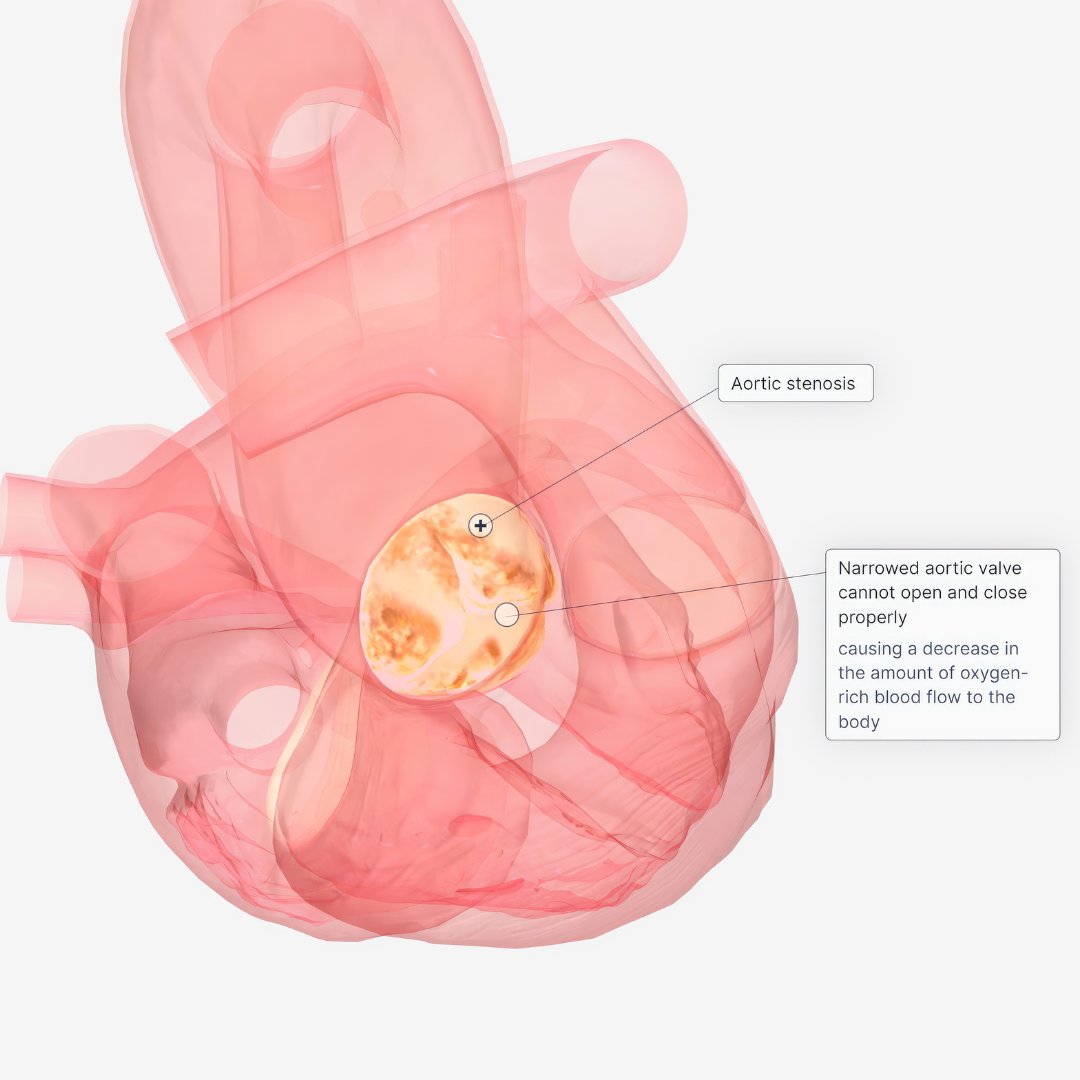
If you or someone you love has been diagnosed with aortic stenosis, take time to understand your aortic stenosis treatment options. It is one of the most important steps you can take. Aortic stenosis is a condition where the aortic valve narrows, restricting blood flow from the heart to the rest of the body. This forces the heart to work harder.
That extra workload can lead to chest pain, shortness of breath, fatigue, and fainting. In severe cases, it can progress to heart failure or sudden cardiac death.
The good news is that treatment has advanced significantly. But what many people don’t realize is that nutrition plays a powerful role at every stage, from slowing early progression to supporting recovery after valve replacement.
As a cardiovascular dietitian with over 14 years of experience, I work with clients who have aortic valve disease to reduce their cardiovascular risk and optimize heart function.
What Is Aortic Stenosis?
Aortic stenosis means your aortic valve has narrowed. The aortic valve is the door between your heart and the rest of your body. When it narrows, your heart has to push harder to get blood through.
Over time, that extra effort causes the heart muscle to thicken and strain. The good news is that with the right treatment and proactive heart health management, many people with aortic stenosis go on to live full, active lives. This is exactly why early detection and taking action matter so much.
There are a few different causes:
- Age-related calcification: Over time, mineral deposits build up on the aortic valve, causing it to stiffen and narrow. This is not related to calcium from your diet, but rather a slow inflammatory process similar to what drives plaque buildup in the arteries. This is the most common cause in adults over 70.
- A bicuspid aortic valve: This is a condition you are born with where the valve has two leaflets instead of three, most common in adults under 70.
One risk factor that often gets missed is elevated Lipoprotein(a). Research shows that high Lp(a) levels accelerate the buildup of calcified plaque on the aortic valve, even in people who would not otherwise be considered high risk. Since Lp(a) is largely genetic, many people don’t know they carry this risk until significant damage has already begun.
But knowing your Lp(a) level is genuinely empowering, because targeted, science-based nutrition can help address the underlying drivers that allow Lp(a) to cause damage in the first place. This is exactly why I always recommend asking your doctor to check your Lp(a) as part of a full cardiovascular workup.
Other factors that create an environment for faster progression include high blood pressure, high cholesterol, obesity, smoking, and insulin resistance. If you already have an elevated Lp(a), addressing these factors proactively gives you the ability to change the environment around the valve and meaningfully reduce your risk. This is exactly why a targeted nutrition approach matters so much, not just monitoring the valve, but actively working to protect it.
What Are the Symptoms of Aortic Stenosis?
One of the most challenging things about aortic stenosis is that many people have no symptoms in the early stages. The valve may already be narrowing, but you feel completely fine. A doctor often picks it up when they hear an abnormal heart murmur during a routine exam.
As the condition progresses, symptoms tend to develop and may include:
- Chest pain or tightness, especially during physical activity
- Shortness of breath, particularly with exertion or when lying flat
- Fatigue and low energy
- Heart palpitations
- Dizziness or lightheadedness
- Fainting or near-fainting episodes
If the heart struggles to keep up with the added workload over time, heart failure symptoms can develop. These include worsening fatigue, increased shortness of breath, and swelling in the ankles and legs.
If you are experiencing any of these symptoms, please reach out to your healthcare provider. The earlier you catch aortic stenosis, the more options you have.
The 4 Stages of Aortic Stenosis
Understanding the stages of aortic stenosis helps you and your care team know when to monitor, when to act, and what to expect. The ACC/AHA guidelines classify aortic stenosis into four stages based on valve changes, symptoms, and heart function.
- Stage A: At Risk – You have risk factors for aortic stenosis, but no valve changes have developed yet. These risk factors may include a bicuspid aortic valve, elevated Lp(a), high blood pressure, high cholesterol, insulin resistance, obesity, or smoking. Many of these are modifiable, meaning that catching them early and addressing them through targeted, science-based nutrition and lifestyle changes gives you a real opportunity to protect your valve.
- Stage B: Progressive – Mild to moderate narrowing is present, but you have no symptoms yet. This stage can last for years, which is actually a significant window of opportunity. By addressing the underlying drivers of progression, including inflammation, oxidative stress, blood pressure, blood sugar, and lipid levels, through a personalized, targeted, nutrient-sufficient nutrition plan, you can slow how quickly the valve continues to narrow. Regular monitoring with echocardiograms is important here, but so is taking action between those appointments.
- Stage C: Severe Asymptomatic – The narrowing is now severe, but symptoms have not yet appeared. Close monitoring is essential at this stage, as the transition to symptoms can happen relatively quickly.
- Stage D: Severe Symptomatic – Symptoms are now present alongside severe narrowing. This is the stage where aortic valve replacement is typically recommended. Without intervention, outcomes at this stage are significantly worse.
The earlier you identify aortic stenosis, the more treatment options you have.
Aortic Stenosis Treatment
Aortic stenosis treatment depends on your stage, symptoms, overall health, and anatomy. Current guidelines emphasize that treatment decisions should involve a multidisciplinary heart team. Here is an overview of the main options:
Targeted, Science-Based, Nutrient-Sufficient Nutrition
Since no medication can treat the valve itself, nutrition is one of your most important tools at every stage. A personalized, nutrient-sufficient approach works at a deeper level than simply managing risk factors.
It supports healthy blood flow, helps regress soft plaque before it calcifies, reduces the inflammatory environment that drives valve calcification, and protects the integrity of your blood vessels so your heart can do its job most effectively.
Nutrition also works directly alongside your medications. Many of the medications used in aortic stenosis management have direct nutritional interactions that need careful attention, including:
- Diuretics can deplete key electrolytes like magnesium and potassium, both of which are critical for healthy heart rhythm and vascular function.
- ACE inhibitors can raise potassium levels, so you need to balance your dietary potassium intake carefully to avoid levels that are too high.
- Warfarin, used after mechanical valve replacement, requires consistent vitamin K intake to maintain stable INR levels and reduce the risk of dangerous bleeding or clotting.
A cardiovascular dietitian proactively manages these interactions as part of your overall care plan.
Monitoring and Medical Management
For mild or moderate aortic stenosis without symptoms, regular echocardiograms are standard to track progression. Targeted, science-based, nutrient-sufficient nutrition is the most proactive step you can take at this stage. Without it, the underlying drivers of progression, including inflammation, oxidative stress, and poor vascular health, continue unchecked and the condition can advance more rapidly.
Your doctor may recommend medications like beta-blockers, diuretics, and ACE inhibitors depending on your individual medical evaluation. These manage symptoms and related conditions, not the valve itself. Nutrition is what addresses the root causes.
Procedures
- Surgical Aortic Valve Replacement (SAVR): The traditional open-heart approach where the damaged valve is removed and replaced with a mechanical or tissue valve. Current guidelines generally favor SAVR for patients under 65 or those with a life expectancy over 30 years, because the long-term durability of surgical valves is well established and younger patients may outlive a tissue valve. Your cardiac team will determine the best approach based on your age, anatomy, surgical risk, and individual circumstances.
- Transcatheter Aortic Valve Replacement (TAVR): A minimally invasive procedure where a replacement valve is delivered through a catheter, most often through an artery in the groin. TAVR is now approved across all surgical risk categories and surpassed surgical aortic valve replacement as the most commonly performed approach in the US in 2019. The decision between TAVR and SAVR is made together by your care team. There is no single right answer, and the best choice is always individualized. TAVR offers:
- Shorter hospital stays and faster recovery
- No need to open the chest
- Lower procedural risk for older or higher risk patients
- Balloon Valvuloplasty: Only used as a short-term bridge to valve replacement in critically ill patients. It does not provide lasting results and is not a standalone treatment for aortic stenosis.
Can Aortic Stenosis Be Treated Without Surgery?
Aortic stenosis treatment without surgery depends on your stage.
For mild or moderate aortic stenosis without symptoms, surgery is not yet indicated. This is where proactive cardiovascular risk management and targeted nutrition do their most important work.
For severe symptomatic aortic stenosis, valve replacement is the only treatment that changes the course of the disease. No medication, supplement, or dietary change can open a severely narrowed valve or reverse advanced calcification.
What targeted, science based, personalized nutrition can do is support your heart at every stage, slow early progression, optimize your cardiovascular risk factors, and help you go into any procedure as strong as possible.
Can Aortic Stenosis Be Reversed or Improved?
Once significant calcification has developed on the aortic valve, it cannot be reversed through lifestyle changes alone. For severe aortic stenosis, valve replacement is the treatment that changes the course of the disease.
But here is what I want you to hold onto: there is so much within your control.
In early stages, reducing cardiovascular risk factors through targeted, science-based, nutrient-sufficient nutrition can slow progression and protect your heart function. And after valve replacement, the right nutrition plan can support recovery, reduce inflammation, optimize your cardiovascular risk markers, and meaningfully protect your long-term heart health.
A diagnosis of aortic stenosis isn’t a passive waiting game. Every stage is an opportunity to take action. If you’re ready to take a targeted, science-based approach to protecting your heart, my 6-week Optimize program is designed exactly for that.
What to Eat With Aortic Stenosis
A targeted, nutrient-sufficient diet means you are consistently getting the specific vitamins, minerals, and nutrients your body needs to support optimal heart function, based on your individual labs, medications, medical history, food preferences, and cultural background.
It’s a personalized, science-based plan built around what your specific body actually needs to support healthy blood flow, reduce inflammation, lower oxidative stress, and protect your blood vessels.
Most heart healthy diets focus on restriction, but my approach as a cardiology dietitian focuses on addition. When we make sure your body is truly nutrient sufficient, we can address the underlying drivers of aortic stenosis and help your body do its job better.
Foods for Aortic Stenosis
In general, here are some of the most important foods to focus on, but remember that the right quantities, pairings, and combinations will be individualized for each person.
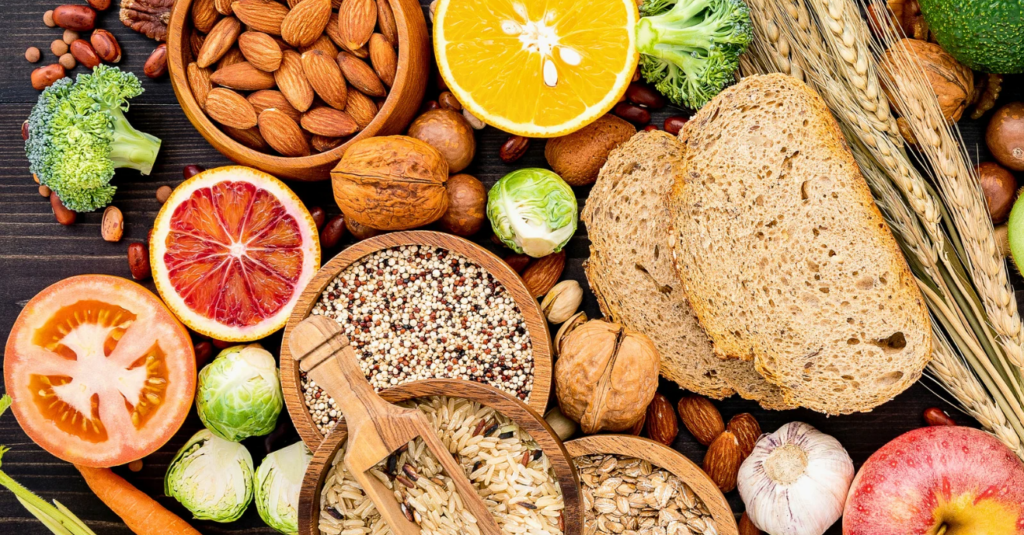
- Fatty fish, ground flaxseeds, and walnuts provide omega-3 fatty acids that help reduce inflammation, improve blood vessel function, and support a healthier lipid profile. Fatty fish like salmon and sardines also provide high quality protein to support heart muscle function and overall cardiovascular health.
- Leafy greens like spinach, kale, and Swiss chard are rich in both magnesium and vitamin K1. Research suggests higher magnesium levels are associated with a lower risk of aortic valve calcification, and higher vitamin K1 intake is associated with a meaningfully lower risk of developing aortic stenosis and its complications. Note that if you are on warfarin after a mechanical valve replacement, consistent vitamin K intake is essential to keep your INR stable. Work 1:1 with a cardiovascular dietitian to personalize this for you.
- Avocados and lentils are excellent sources of potassium, which helps regulate blood pressure and reduce the strain on your heart. If you are on a potassium-sparing diuretic or have elevated blood potassium levels, your potassium needs will look different. Work 1:1 with a cardiovascular dietitian to find the right balance for you.
- Oats, barley, beans, and other whole grains provide soluble fiber that helps lower LDL cholesterol, manage insulin resistance and blood sugar, and feed a healthy gut microbiome, all of which directly impact the drivers of aortic stenosis progression.
For a deeper dive into the specific nutrition strategies I use with my clients who have aortic stenosis, read my full guide here.
Nutrition Before and After Aortic Valve Replacement
If an aortic valve replacement is needed, what you eat before and after directly influences your outcomes. Research shows that good nutritional status before AVR reduces the risk of postoperative complications. Maintaining your weight in the months leading up to surgery is one of the most powerful things you can do to protect your recovery.
Before surgery, you have a real opportunity to prioritize your nutrition:
- Maintain a healthy weight and protect against unintentional weight loss
- Prioritize protein to preserve muscle mass and support healing
- Address nutrient deficiencies, particularly magnesium, vitamin D, and iron
- Reduce inflammation through a targeted, whole food dietary pattern
After surgery, nutrition supports recovery:
- High quality protein supports wound healing and muscle recovery
- Anti-inflammatory foods and omega-3 rich sources like fatty fish and ground flaxseeds protect your vascular health
- Balanced electrolytes support through food sources help to maintain a healthy heart rhythm and fluid balance
- Ongoing nutrition management continues to lower blood pressure, blood sugar, and inflammation
Aortic stenosis is not solely genetic. Lifestyle factors like high blood pressure, insulin resistance, obesity, oxidative stress, and chronic inflammation all play a significant role in how the condition develops and progresses.
That means every positive change you make to your diet has a real impact, before and after surgery, and for good.
FAQs
What is aortic stenosis treatment?
Aortic stenosis treatment depends on your stage and symptoms. For mild to moderate disease, monitoring and cardiovascular risk management through targeted nutrition and lifestyle is the priority. For severe symptomatic aortic stenosis, aortic valve replacement through either SAVR or TAVR is the standard of care. Additionally, targeted, nutrient-sufficient nutrition plays a critical role in preparing your body before surgery and supporting your recovery after.
Can aortic stenosis be cured without surgery?
Severe symptomatic aortic stenosis cannot be cured without valve replacement. However, for those in early stages, science-based nutrition and lifestyle changes can meaningfully slow progression and optimize heart function. The earlier you act, the more impact you can have.
Can aortic stenosis be reversed?
Calcification of the aortic valve represents the final stage of plaque formation on the valve, and at that point it cannot currently be reversed. But no matter where you are in your diagnosis, targeted nutrition can meaningfully reduce inflammation, lower cardiovascular risk factors, and support your heart function in ways that make a real difference to your quality of life and long term outcomes.
Can aortic stenosis improve on its own?
Aortic stenosis doesn’t improve on its own, but that doesn’t mean you’re without options. Proactive cardiovascular risk management and personalized, nutrient-sufficient nutrition give you the ability to slow progression and protect your heart at every stage.
What are the symptoms of aortic stenosis?
The most common symptoms include chest pain, shortness of breath, fatigue, dizziness, and fainting, particularly with exertion. Many people have no symptoms at all in the early stages, which is why regular monitoring is so important. If symptoms develop, contact your healthcare provider promptly.
What causes aortic stenosis in the elderly?
In older adults, aortic stenosis most commonly results from age-related calcium buildup on the aortic valve, driven by many of the same risk factors as heart disease, including high blood pressure, high cholesterol, diabetes, and smoking. Elevated Lp(a) is another important and often overlooked risk factor. It can accelerate aortic valve stenosis, but if we intervene early through targeted, science-based nutrition, we can work to halt its progression. The good news is that many of these risk factors are modifiable, and taking action early makes all the difference.
Does mild aortic stenosis need treatment?
Mild aortic stenosis doesn’t typically require surgical intervention. Regular monitoring with echocardiograms is standard. This stage is actually a powerful opportunity to address cardiovascular risk factors through nutrition and lifestyle to slow progression as much as possible.
What is the non-surgical treatment of aortic valve stenosis?
There is currently no medication that can reverse the progression of aortic valve stenosis. Non-surgical management includes monitoring, medications, and a targeted, science-based, nutrient-sufficient nutrition plan to address the underlying drivers.
If you’re ready to take action, my 6-week Optimize group program is a great place to start.
Meet the Author

Michelle Routhenstein is a Registered Dietitian Nutritionist, Preventive Cardiology Nutritionist, and Certified Diabetes Educator with over 14 years of experience specializing in cardiovascular nutrition. As the owner of Entirely Nourished, she takes a nutrient first, science based, and personalized approach to the prevention and management of heart disease.
Michelle has helped thousands of people address the underlying root causes of heart disease, improve heart function and heart failure, lower their blood pressure and cholesterol levels, and truly reduce their risk of heart attacks and strokes.
If you’re ready to take a personalized, science based approach to improving your heart function, book a complimentary discovery call to learn how targeted nutrition can support your heart health recovery. Take the first step and book your complimentary discovery call here.
Want the foundations first? Consider starting with Optimize, her 6-week live group program, where you’ll build a strong foundation in science based heart health nutrition before diving deeper into personalized 1:1 work.
References
- Arsenault, B. J., Loganath, K., Girard, A., Botezatu, S., Zheng, K. H., Tzolos, E., Abdoun, K., Tastet, L., Capoulade, R., Côté, N., Craig, N., Chan, K. L., Tam, J. W., Teo, K. K., Couture, C., Clavel, M. A., Mathieu, P., Thériault, S., Stroes, E. S. G., Newby, D. E., … Dweck, M. R. (2024). Lipoprotein(a) and Calcific Aortic Valve Stenosis Progression: A Systematic Review and Meta-Analysis. JAMA cardiology, 9(9), 835–842. https://doi.org/10.1001/jamacardio.2024.1882
- Pujari SH, Agasthi P. Aortic Stenosis. [Updated 2023 Apr 16]. In: StatPearls [Internet]. Treasure Island (FL): StatPearls Publishing; 2026 Jan-. Available from: https://www.ncbi.nlm.nih.gov/books/NBK557628/
- Harris, C., Croce, B., & Phan, K. (2015). Aortic stenosis. Annals of cardiothoracic surgery, 4(1), 99. https://doi.org/10.3978/j.issn.2225-319X.2014.12.11
- Khanji, M. Y., Ricci, F., Galusko, V., Sekar, B., Chahal, C. A. A., Ceriello, L., Gallina, S., Kennon, S., Awad, W. I., & Ionescu, A. (2021). Management of aortic stenosis: a systematic review of clinical practice guidelines and recommendations. European heart journal. Quality of care & clinical outcomes, 7(4), 340–353. https://doi.org/10.1093/ehjqcco/qcab016
- Otto, C. M., Nishimura, R. A., Bonow, R. O., Carabello, B. A., Erwin, J. P., 3rd, Gentile, F., Jneid, H., Krieger, E. V., Mack, M., McLeod, C., O’Gara, P. T., Rigolin, V. H., Sundt, T. M., 3rd, Thompson, A., & Toly, C. (2021). 2020 ACC/AHA Guideline for the Management of Patients With Valvular Heart Disease: Executive Summary: A Report of the American College of Cardiology/American Heart Association Joint Committee on Clinical Practice Guidelines. Circulation, 143(5), e35–e71. https://doi.org/10.1161/CIR.0000000000000932
- Wernio, E., Małgorzewicz, S., Dardzińska, J. A., Jagielak, D., Rogowski, J., Gruszecka, A., Klapkowski, A., & Bramlage, P. (2019). Association between Nutritional Status and Mortality after Aortic Valve Replacement Procedure in Elderly with Severe Aortic Stenosis. Nutrients, 11(2), 446. https://doi.org/10.3390/nu11020446
- Schultz, C. J., Dalgaard, F., Bellinge, J. W., Murray, K., Sim, M., Connolly, E., Blekkenhorst, L. C., Bondonno, C. P., Lewis, J. R., Gislason, G. H., Tjønneland, A., Overvad, K., Hodgson, J. M., & Bondonno, N. P. (2024). Dietary Vitamin K1 Intake and Incident Aortic Valve Stenosis. Arteriosclerosis, thrombosis, and vascular biology, 44(2), 513–521. https://doi.org/10.1161/ATVBAHA.123.320271
- Ito, S., & Oh, J. K. (2022). Aortic Stenosis: New Insights in Diagnosis, Treatment, and Prevention. Korean circulation journal, 52(10), 721–736. https://doi.org/10.4070/kcj.2022.0234