

Many people ask me, “Can heart failure be reversed?” Let me share a story that answers that question. A 60 year old client of mine came to me with genetic cardiomyopathy and an ejection fraction of 25-30%.
Rather than starting several new medications, she chose to focus on nutrition first.
Just three months later, her ejection fraction had improved to 48%, and her doctor told her she no longer needed to start those medications.
The outcome wasn’t luck, and her story is possible for others, too. Her results were the result of a targeted, science based nutrition plan built around her specific labs, medical history, and cardiovascular risk factors.
In my 14+ years as a cardiovascular dietitian, I’ve learned that the answer to “Can heart failure be reversed?” depends on the type, cause, and stage. But meaningful improvement in heart failure is possible for many, and nutrition plays an incredibly powerful role.
It’s worth noting that even when ejection fraction doesn’t significantly improve, particularly in very advanced stages, targeted nutrition still meaningfully improves quality of life, from reduced shortness of breath to improved ability to perform daily activities.
This article covers what the research says, the role of science based nutrition, and what steps you can take today to support your heart function.
What is Heart Failure?
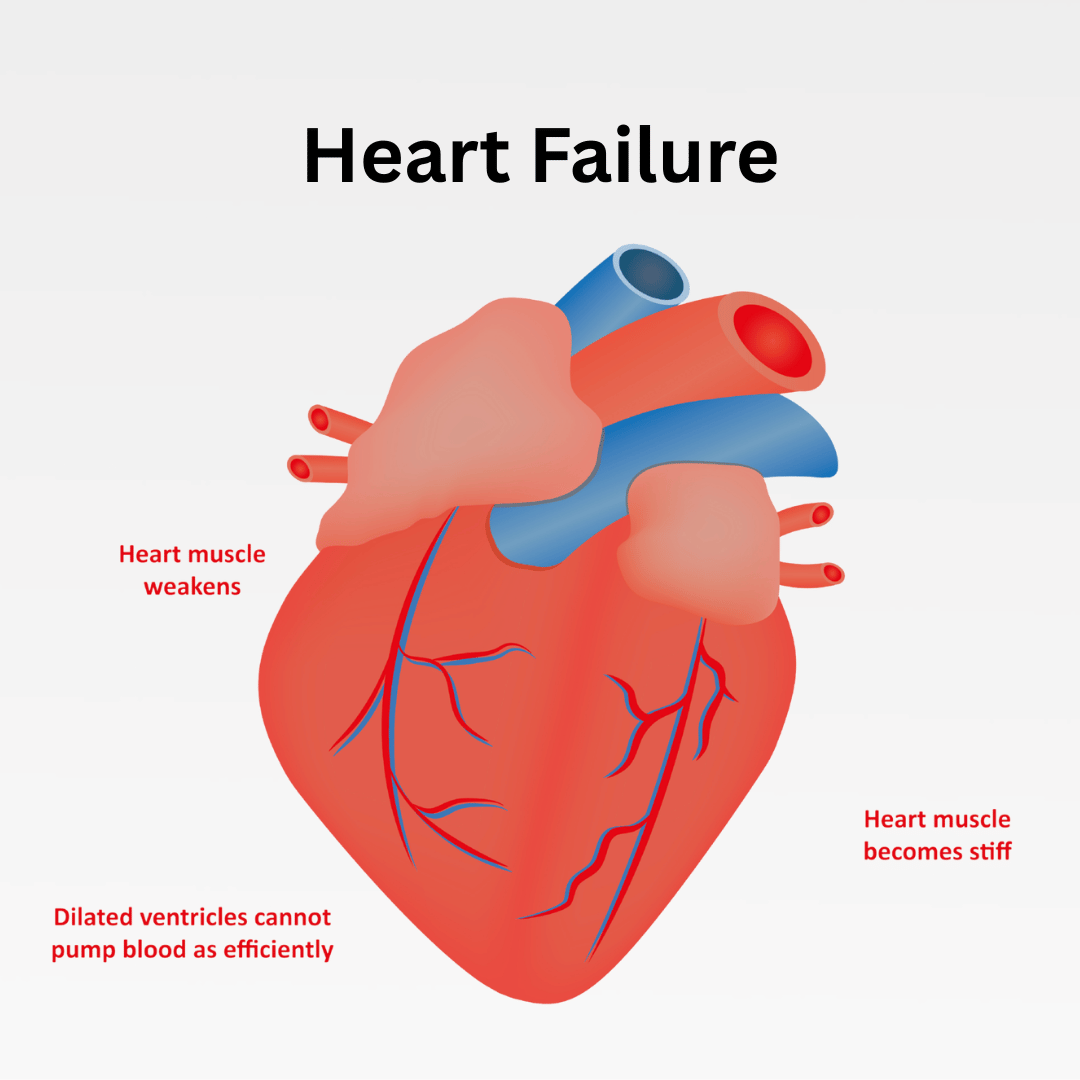
To answer whether heart failure can be reversed, start with understanding what it actually is. Heart failure is a condition in which the heart is unable to pump blood effectively enough to meet the body’s demands.
Heart failure doesn’t mean the heart suddenly stops. It’s a progressive condition where the heart’s ability to pump blood gradually declines.
Types of Heart Failure
Heart failure is classified based on ejection fraction (EF), which measures how much blood the left ventricle pumps out with each beat:
- HFrEF (reduced ejection fraction, EF ≤40%): The heart muscle has weakened and can’t squeeze effectively enough to pump sufficient blood to the body. You may also hear this called systolic heart failure.
- HFmrEF (mildly reduced ejection fraction, EF 41-49%): A transition zone where the heart’s pumping function is mildly impaired. This category is increasingly recognized in research and clinical practice.
- HFpEF (preserved ejection fraction, EF ≥50%): The heart pumps normally but has become stiff and can’t relax and fill with blood properly. You may also hear this called diastolic heart failure.
- HF with improved ejection fraction: A previously reduced EF that has recovered above 40%. This category is particularly relevant to this discussion because it represents exactly what meaningful recovery can look like.
ACC/AHA Stages of Heart Failure
Cardiologists also stage heart failure based on how the disease has progressed:
- Stage A: At risk for heart failure. No symptoms or structural changes yet, but risk factors like hypertension, diabetes, or a family history of cardiomyopathy are present.
- Stage B: Pre-heart failure. Structural heart changes are present but no symptoms yet.
- Stage C: Symptomatic heart failure. Current or past symptoms like shortness of breath, fatigue, or fluid retention.
- Stage D: Advanced heart failure. Persistent symptoms that interfere with daily life despite treatment.
Stages A and B represent the greatest opportunity for recovery. That said, even with Stage C heart failure, both the research and my 14+ years of clinical experience show that meaningful improvement is possible.
And even when ejection fraction doesn’t significantly improve, particularly in very advanced stages, targeted science based nutrition consistently delivers meaningful quality of life improvements, helping people breathe easier, move more freely, and get back to enjoying their daily lives.
Can Heart Failure Be Reversed?
The short answer is: it depends. Full reversal isn’t always possible, but meaningful improvement in heart function is more achievable than many people realize. Research recognizes a specific category called HF with improved ejection fraction, where a previously reduced EF recovers above 40%, which tells us that meaningful recovery of heart function is a real and documented outcome.
The potential for recovery depends on the type and cause of your heart failure. Causes with the strongest evidence for meaningful improvement include:
- Tachycardia-induced cardiomyopathy
- Peripartum cardiomyopathy
- Alcohol-induced cardiomyopathy
- Early stage or newly diagnosed heart failure
- Some forms of viral myocarditis
In my clinical experience, when the underlying cause is modifiable, and we reduce the burden and strain on the heart through targeted, science based nutrition, recovery is possible. That can look like an increase in ejection fraction, reduced stiffness seen on imaging, or meaningful quality of life improvements like being able to complete daily tasks without shortness of breath, walk longer distances, and truly enjoy life again.
Even genetic cardiomyopathy, as my client’s story showed, can respond meaningfully to a targeted nutrition approach. The degree of improvement depends on how much healthy, viable heart muscle remains and how comprehensively we address the underlying drivers through targeted, science based nutrition and care.
Can Mild or Early Heart Failure Be Reversed?
Early stage heart failure offers the greatest opportunity for meaningful recovery. At Stages A and B, structural changes may be minimal, fibrosis is less established, and the underlying drivers are often still modifiable. Stage C heart failure responds meaningfully when the root causes receive comprehensive attention through science based nutrition and medication as needed.
In my clinical experience, pairing nutrition with appropriate medical care consistently produces better outcomes, and some clients have even reduced their medication doses over time.
The earlier you act, the more your heart can respond. If you’re ready to take a personalized, science based approach to protecting your heart function, book a complimentary discovery call here.
How to Reverse or Improve Heart Failure
Improving heart function requires a comprehensive approach that addresses underlying root causes through science based nutrition and lifestyle changes.
Science Based Nutrition for Heart Failure Recovery
Targeted science based nutrition is one of the most powerful and underutilized tools for supporting heart failure recovery. Targeted nutrition directly addresses two of the most significant drivers of heart failure progression: nutrient deficiency and oxidative stress.
Oxidative stress damages the cells of your heart muscle, reduces how effectively your heart can pump blood, and speeds up the structural changes that make heart failure harder to improve. Specific nutrients directly support your body’s antioxidant defense pathways, helping to reduce this damage and create the conditions your heart needs to recover.
Specific nutrients work across multiple pathways in the body to reduce the strain on your heart, support energy production, improve blood flow, reduce inflammation, and protect heart muscle cells from further damage. It’s not just about antioxidants, but about ensuring your heart has everything it needs to function optimally and recover.
Research shows that deficiencies in key nutrients are common in heart failure patients and can directly worsen cardiac function and reduce quality of life.
Common Nutrient Deficiencies in Heart Failure
The nutrients most commonly depleted in heart failure include:
- Thiamine (B1): Critical for energy production in the heart muscle. Loop diuretics commonly deplete thiamine, making deficiency especially prevalent in heart failure patients on medication.
- Coenzyme Q10: Essential for mitochondrial function and energy production. Deficiency is directly linked to worsened cardiac contractility (how strongly your heart muscle contracts to push blood out with each beat) and increased oxidative stress.
- Selenium: Low selenium levels are associated with dilated cardiomyopathy and impaired antioxidant defense.
- Zinc: Deficiency contributes to oxidative stress and immune dysfunction, both of which worsen heart failure progression.
- Magnesium: Commonly depleted by diuretic use and critical for healthy heart rhythm and vascular function.
- Vitamin D: Deficiency is associated with worse heart failure outcomes and increased cardiovascular risk.
- Iron: Deficiency contributes to fatigue, reduced exercise capacity, and impaired cardiac function even in the absence of anemia.
My Thoughts on Supplements as a Food First Dietitian
As a food first dietitian, it’s important to be clear: this isn’t a supplement checklist. Unless a deficiency is severe, the goal is always to address these needs through a targeted, whole food approach first. The whole food matrix, nutrients working together in their natural form and combinations, delivers benefits that isolated supplements simply can’t replicate.
Many heart failure medications significantly alter your nutrient needs and electrolyte balance. Potassium is one of the most important examples. Some heart failure medications actually increase potassium levels in the blood, while others deplete it. Too little worsens heart function. Too much can be dangerous. Getting the right amount for you specifically requires careful, personalized attention to your labs and medication regimen.
Addressing these deficiencies through targeted whole foods is a core part of how I support heart failure recovery in my practice. Foods rich in antioxidants, healthy fats, and specific micronutrients can directly support your body’s ability to combat oxidative stress and rebuild cardiac function. That said, not everyone with heart failure has the same deficiencies, and blindly adding in more of every nutrient isn’t the answer. What you actually need depends on your individual labs, your medications, and your full cardiovascular picture, which is why it’s so important to work with a cardiovascular dietitian.
How Weight Loss and Exercise Can Improve Heart Function
Weight loss and exercise both play a supportive role in heart failure management, though the evidence differs by type.
For HFpEF, where obesity is sometimes a contributing factor, intentional weight loss through lifestyle intervention meaningfully improves blood pressure, aerobic capacity, and ability to perform daily activities.
For HFrEF, guidelines strongly support supervised aerobic exercise for meaningful improvements in exercise capacity and quality of life. Weight loss requires a more careful, targeted approach to protect muscle mass.
In both cases, a personalized approach that accounts for your type of heart failure, your current functional capacity, and your nutritional status is essential.
Addressing the Root Causes, Not Just the Symptoms
Heart failure is progressive, but targeted, root cause management can meaningfully slow or stop that progression.
Addressing those underlying drivers gives the heart a real opportunity to respond and recover.
The key modifiable risk factors that drive heart failure progression include:
- High blood pressure: Targeting a blood pressure below 120/80mmHg reduces the mechanical strain on your heart and creates better conditions for structural recovery.
- High cholesterol: Excess atherogenic LDL cholesterol drives plaque buildup and narrows blood vessels, forcing your heart to work harder against increased resistance. Optimal LDL targets vary depending on your risk profile, but consistently working toward your personalized goal reduces vascular strain and meaningfully improves cardiovascular risk in heart failure patients.
- Blood sugar dysregulation: Improving blood sugar control reduces inflammation, oxidative stress, and further cardiac damage. Chronically elevated blood sugar also impairs blood flow by damaging blood vessel walls, adding further strain to an already overworked heart.
- Obesity: Even modest, intentional reduction in visceral fat reduces cardiac strain and can significantly improve heart function, particularly in HFpEF. This is especially important because visceral fat is directly linked to epicardial fat, the fat surrounding the heart, which contributes to inflammation and added strain on cardiac function.
- Chronic inflammation and oxidative stress: Addressing these effectively isn’t as simple as adding one new vegetable to your diet. Targeted nutrition works to identify why inflammation and oxidative stress are elevated in the first place, then improves the many pathways involved so your heart can reduce cellular damage and recover more effectively.
A personalized, science based nutrition plan addresses each of these drivers simultaneously. It’s a fundamentally different approach from generic healthy eating advice, and it’s what makes the difference between managing heart failure and truly working to reverse or improve it.
FAQs: Can Heart Failure Be Reversed?
Can heart failure be reversed or is it a lifelong condition?
Heart failure is a chronic condition, but that doesn’t mean it’s static. For many people, improvement in heart function is possible, particularly when the underlying causes are identified and addressed early and aggressively.
Can stage 2 heart failure be reversed?
Stage B heart failure, where structural changes are present but symptoms haven’t yet developed, offers one of the greatest windows of opportunity for meaningful recovery. Targeted nutrition and lifestyle intervention at this stage can meaningfully slow or halt progression.
Can stage 4 congestive heart failure be reversed or treated?
Stage D heart failure represents advanced disease where full reversal becomes less likely. That said, targeted nutrition can still support quality of life, reduce symptom burden, and address nutrient deficiencies that worsen cardiac function.
Can heart failure be reversed with diet and exercise?
Targeted, science based nutrition is one of the most powerful and underutilized tools for improving heart function. In my practice, I focus on addressing nutrient deficiencies, reducing oxidative stress, optimizing blood flow, and reducing the strain on the cardiac muscle so your heart can do its job most effectively, all through a personalized, food first plan built around your specific labs, medications, and cardiovascular risk factors, and the results speak for themselves.
How can you reverse heart failure without surgery?
The most effective non-surgical approaches work to reduce the overall strain on the heart by addressing the full picture. This includes targeted nutrition to correct nutrient deficiencies, reduce oxidative stress, address inflammation, and support endothelial dysfunction, alongside intentional weight loss where appropriate, supervised exercise, and personalized management of modifiable risk factors like blood pressure, blood sugar, and cholesterol.
About the Author
Michelle Routhenstein is a Registered Dietitian Nutritionist, Preventive Cardiology Nutritionist, and Certified Diabetes Educator with over 14 years of experience specializing in cardiovascular nutrition. As the owner of Entirely Nourished, she takes a nutrient first, science based, and personalized approach to the prevention and management of heart disease.
Michelle has helped thousands of people address the underlying root causes of heart disease, improve heart function and heart failure, lower their blood pressure and cholesterol levels, and truly reduce their risk of heart attacks and strokes.
If you’re ready to take a personalized, science based approach to improving your heart function, book a complimentary discovery call to learn how targeted nutrition can support your heart failure recovery. Take the first step and book your complimentary discovery call here.
Want the foundations first? Consider starting with Optimize, her 6-week live group program, where you’ll build a strong foundation in science based heart health nutrition before diving deeper into personalized 1:1 work.
References
- Shams P, Malik A, Chhabra L. Heart Failure (Congestive Heart Failure) [Updated 2025 Feb 26]. In: StatPearls [Internet]. Treasure Island (FL): StatPearls Publishing; 2026 Jan-. Available from: https://www.ncbi.nlm.nih.gov/books/NBK430873/
- Golla MSG, Hajouli S, Ludhwani D. Heart Failure and Ejection Fraction. [Updated 2024 May 5]. In: StatPearls [Internet]. Treasure Island (FL): StatPearls Publishing; 2026 Jan-. [Table], Table 1. ACC/AHA Stages of Heart Failure. Available from: https://www.ncbi.nlm.nih.gov/books/NBK553115/table/article-20486.table0/
- Patel, H., Madanieh, R., Kosmas, C. E., Vatti, S. K., & Vittorio, T. J. (2015). Reversible Cardiomyopathies. Clinical Medicine Insights. Cardiology, 9(Suppl 2), 7–14. https://doi.org/10.4137/CMC.S19703
- Sciatti, E., Lombardi, C., Ravera, A., Vizzardi, E., Bonadei, I., Carubelli, V., Gorga, E., & Metra, M. (2016). Nutritional Deficiency in Patients with Heart Failure. Nutrients, 8(7), 442. https://doi.org/10.3390/nu8070442
- Lee, V. Y. J., Houston, L., Perkovic, A., Barraclough, J. Y., Sweeting, A., Yu, J., Fletcher, R. A., & Arnott, C. (2024). The Effect of Weight Loss Through Lifestyle Interventions in Patients With Heart Failure With Preserved Ejection Fraction-A Systematic Review and Meta-Analysis of Randomised Controlled Trials. Heart, lung & circulation, 33(2), 197–208. https://doi.org/10.1016/j.hlc.2023.11.022
- Heidenreich, P. A., Bozkurt, B., Aguilar, D., Allen, L. A., Byun, J. J., Colvin, M. M., Deswal, A., Drazner, M. H., Dunlay, S. M., Evers, L. R., Fang, J. C., Fedson, S. E., Fonarow, G. C., Hayek, S. S., Hernandez, A. F., Khazanie, P., Kittleson, M. M., Lee, C. S., Link, M. S., . . . Yancy, C. W. (2022). 2022 AHA/ACC/HFSA guideline for the management of heart failure. Circulation, 145(18), e895–e1032. https://doi.org/10.1161/CIR.0000000000001063
- Shams, P., Malik, A., & Chhabra, L. (2025). Heart failure (congestive heart failure). In StatPearls [Internet]. StatPearls Publishing.https://www.ncbi.nlm.nih.gov/books/NBK430873/