
Signs of high blood pressure in women can be easy to miss, which is why high blood pressure is often called the “silent killer.” When symptoms do show up, they’re usually vague or easy to brush off, making it hard to tell whether what you’re experiencing could be related to elevated blood pressure.
As women go through different periods of life, they may experience different risk factors and life-stage-related risks that can affect blood pressure. Recognizing the signs and knowing when to seek care can help reduce long-term cardiovascular risk.
In this blog, we’re covering what high blood pressure is, why it looks different in women, the common signs, the severe signs, and what to do next.
What is High Blood Pressure?
Blood pressure is a measure of how much force your blood puts on the walls of your arteries as your heart pumps and relaxes.
High blood pressure occurs when blood pushes too hard against the arteries over time, and it can happen for many different reasons.
Blood pressure is written as two numbers – systolic and diastolic.
- Systolic blood pressure: This is the top number, which measures the pressure when your heart beats.
- Diastolic blood pressure: This is the bottom number, which measures the pressure when your heart relaxes.
Here’s what different blood pressure readings mean and examples of each:
- Typical range: both numbers are below 120/80 mmHg
A reading of 110/70 mmHg is considered within the normal range because both numbers are below 120/80 mmHg.
- Elevated: the top number falls between 120–129 mmHg, while the bottom number stays below 80 mmHg
124/78 mmHg is considered elevated because the top number is slightly high while the bottom number remains normal.
- High blood pressure (Stage 1): either the top number is between 130–139 mmHg or the bottom number is between 80–89 mmHg
A reading such as 132/75 mmHg falls into Stage 1 because one or both numbers are above the healthy range.
- High blood pressure (Stage 2): either the top number is 140 mmHg or higher or the bottom number is 90 mmHg or higher
146/88 mmHg is considered Stage 2 because the top number is significantly elevated, even though the bottom number isn’t.
- Hypertensive crisis: the top number is 180 mmHg or higher and/or the bottom number is 120 mmHg or higher
A reading of 182/121 is considered a hypertensive crisis and requires immediate medical attention because at least one of the numbers is elevated. Even if the reading was 182/118, it would still be a hypertensive crisis since one of the numbers is higher than the range.
A hypertensive crisis requires immediate medical attention, especially if symptoms are present.
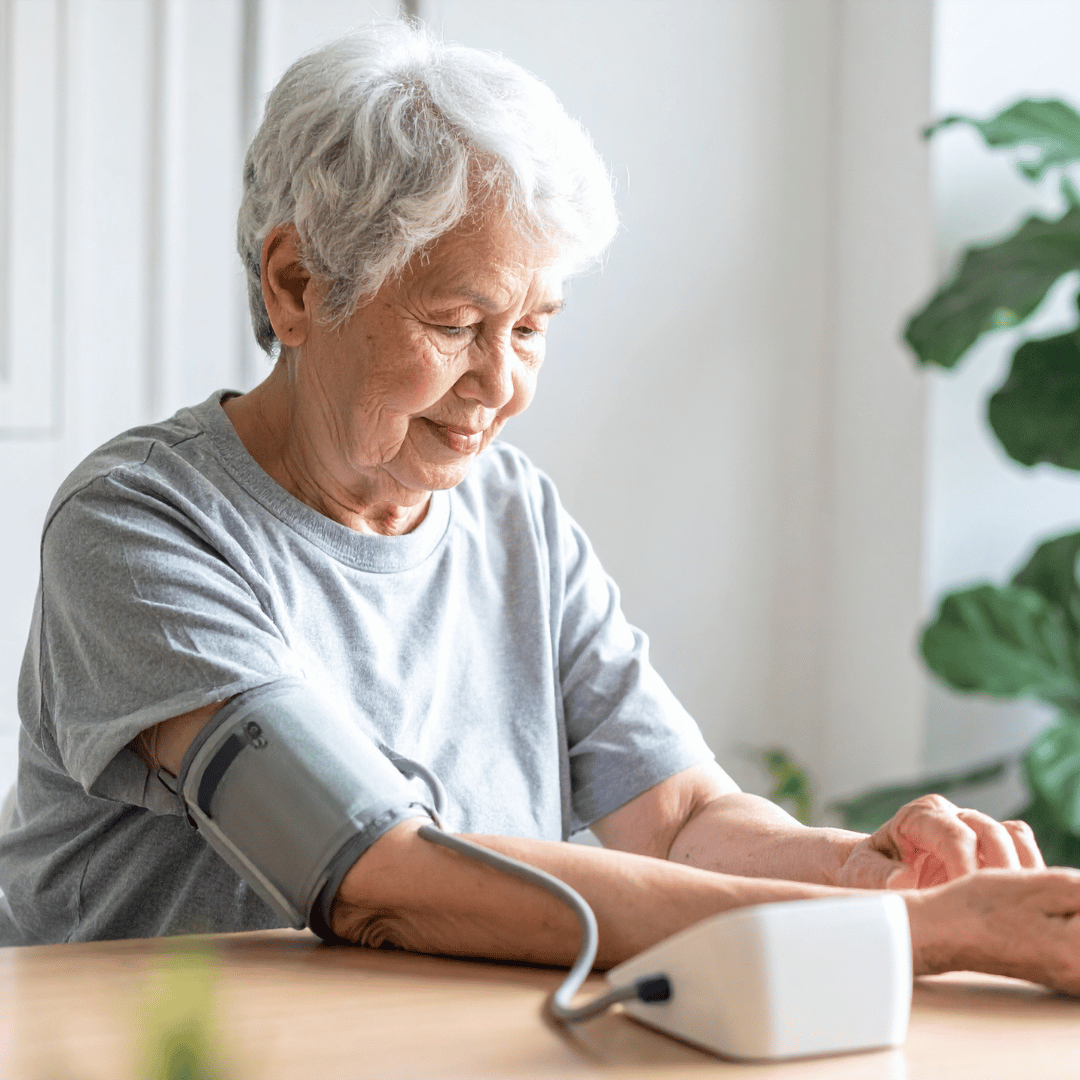
Because high blood pressure often causes no noticeable symptoms, measuring blood pressure at home on a daily basis is especially important for women.
Why Blood Pressure Can Look Different In Women
Women go through many lifespan transitions, each with unique hormonal changes and effects on blood pressure regulation.
Sometimes, blood pressure can rise during certain life stages and increase long-term cardiovascular risk.
Pregnancy-Related Blood Pressure Changes
Pregnancy brings unique demands to your cardiovascular system, and blood pressure naturally shifts as the body adapts to support a growing baby.
In early pregnancy, blood pressure often drops slightly to help increase blood flow to the uterus and placenta. Then, as the second half of pregnancy begins, blood pressure starts to trend back up as the demands on the heart and blood vessels increase.
For many women, blood pressure gradually returns to pre-pregnancy levels around the third trimester.
However, in some cases, this return doesn’t happen as smoothly. Pregnancy can trigger high blood pressure when blood vessels and the placenta don’t adapt normally. Conditions such as gestational hypertension and preeclampsia can develop when the blood vessels become less able to regulate blood flow, leading to high blood pressure.
Preeclampsia specifically disrupts normal blood vessel function which can affect the placenta and multiple organs, including the kidneys, liver, and brain.
Because these changes can affect both maternal and fetal health, at home blood pressure monitoring during pregnancy is essential for protecting long-term heart health for both mom and baby.
Just as importantly, blood pressure should stay on your radar after delivery. Some women continue to have elevated blood pressure postpartum, and others develop high blood pressure for the first time after pregnancy.
At home monitoring after birth helps ensure high blood pressure is identified early and addressed during this period in life. If your blood pressure is high, don’t worry we can still reduce this through science based personalized nutrition.
Perimenopause and Postmenopause
Blood pressure often rises during the perimenopausal and postmenopausal years, with postmenopausal women tending to have higher systolic (top number) readings than premenopausal women.
Research suggests this increase is driven largely by aging and stiffening of the arteries, but some studies indicate hormonal changes may also play a role.
As estrogen levels decline, nitric oxide bioavailability can decrease. Nitric oxide is a molecule in the body that helps blood vessels relax and widen, which improves blood flow and lowers blood pressure.
When bioavailability decreases during menopause, it means the body can’t produce or use as much nitric oxide, increasing the likelihood of rising blood pressure.
Emerging research also suggests that menopause-related changes in the gut microbiome may influence inflammation, metabolism, and vascular health, all of which further affect blood pressure regulation.
Nitric oxide is a complex pathway that involves the gut and oral microbiomes, nitric-rich foods, and addressing oxidative stress and inflammation. To support nitric oxide availability during this stage of life, focus on:
- A healthy oral microbiome, which plays a key role in converting dietary nitrates into nitric oxide precursors.
- A balanced gut microbiome, which supports nitric oxide metabolism and vascular health.
- Regular intake of nitric rich foods (like leafy greens and beets), which provides the nutrients for nitric oxide production.
- Reducing oxidative stress, which can break down nitric oxide before it can act in the blood vessels.
- Lowering chronic inflammation, which impairs blood vessel lining function and nitric oxide signaling.
If you’d like support putting these pieces into practice, I’d love to help. Inside my Optimize group program, we spend an entire week focused on these exact areas and how to support them in a realistic, sustainable way.
Long-Term Risks After Gestational Hypertension or Preeclampsia
High blood pressure during pregnancy isn’t necessarily just a temporary issue. Women who have had gestational hypertension or preeclampsia are at a higher risk later in life of:
- Stroke
- High blood pressure
- Kidney disease
- Other cardiovascular events
These pregnancy-related conditions are now recognized as early warning signs for future cardiovascular risk, so it’s important to receive ongoing monitoring even after pregnancy.
Early Monitoring Matters for Women
Not only do women experience unique life stages, such as pregnancy and menopause, that can increase the risk for high blood pressure, but blood pressure in women can also develop earlier, rise more quickly, and be overlooked.
Because high blood pressure leads to stiffening and damage of the arteries over time, overlooking it in women can raise the risk of kidney disease, atrial fibrillation, stroke, heart failure, and cognitive decline.
High blood pressure can also worsen small blood vessel and endothelial dysfunction, which plays a role in conditions like INOCA (ischemia with no obstructive coronary arteries) that are more common in women.
That is why early recognition and ongoing monitoring truly matter across the transitions of a woman’s life.


Common Signs of High Blood Pressure In Women
Since women are at an increased risk for high blood pressure, monitoring at home and learning the common signs of high blood pressure in women can allow you to take more informed action to protect your long-term heart health.
Keep in mind that blood pressure can be elevated without any symptoms, and by the time symptoms appear, levels are often already significantly higher than your usual baseline.
Now, let’s talk through the common signs when symptoms are present.
1. Headaches
Headaches linked to high blood pressure are often persistent or feel different than your usual tension headaches. They may become more noticeable when blood pressure is significantly elevated.
I’ve had a client who had headaches for two decades, and went to every doctor trying to solve it. It ended up being her high blood pressure, and she didn’t take it seriously until she had an abdominal aortic dissection (a life-threatening complication of high blood pressure).
2. Dizziness and Lightheadedness
Dizziness or lightheadedness can occur when blood pressure rises or when blood flow regulation to the brain and inner ear is affected. Research suggests that hypertension may increase the risk of certain types of vertigo, particularly those related to vascular changes.
3. Vision Changes
Blurred vision, seeing spots, or vision changes can happen when high blood pressure affects the small blood vessels in the eyes. These changes should always be checked out by a healthcare provider.
4. Pounding Sensations
You may notice a pounding or pulsing feeling in your chest, neck, or ears when blood pressure is elevated, due to stronger or more noticeable blood flow, especially during stress or exercise.
5. Fatigue
Fatigue and excessive daytime sleepiness are commonly reported in people with high blood pressure. Research shows these symptoms often occur alongside hypertension, particularly when conditions like sleep apnea, obesity, or autonomic imbalance are present.
6. Fluid Retention
Swelling in the hands, feet, ankles, and even abdomen can sometimes occur alongside high blood pressure, especially when fluid balance is affected. This swelling may be more noticeable at the end of the day or after long periods of sitting.
7. Brain Fog
Some people with hypertension notice changes in concentration or mental clarity (‘brain fog’). Research links high blood pressure with changes in brain blood vessels and a higher risk of cognitive decline over time.
Severe Signs of High Blood Pressure In Women
Many of the signs of high blood pressure in women can be subtle. However, some symptoms are more severe and need prompt medical attention.
If you’re experiencing any of these symptoms, it’s important you seek immediate health care attention. These can be signs of a hypertensive crisis or a serious complication like stroke or heart-related events.
- Severe Shortness of Breath: Feeling like you can’t catch your breath, breathing rapidly, or struggling to breathe when you’re resting.
- Severe, Sudden Headache: An intense headache that appears suddenly, especially if it’s new and/or comes with other symptoms.
- Sudden Change in Vision: Blurred vision, loss of vision, or seeing spots or flashing lights.
- Problems Talking: Trouble finding the right words, slurred speech, or difficulty understanding others.
- Severe Pain in the Chest, Abdomen, and Back: Intense chest pain, tightness, or pressure that may spread to the abdomen or back and does not go away.
- Numbness: Sudden numbness, weakness, or drooping on one side of the face, arm, or leg.
These symptoms often signal a medical emergency related to severely elevated blood pressure or its complications. Prompt evaluation and treatment can reduce the risk of permanent organ damage or serious health problems.
What Should I Do If I Have Any of the Signs of High Blood Pressure in Women?
If you’re experiencing any of the signs of high blood pressure in women, and think you have high blood pressure, get your blood pressure checked.
Use a validated home blood pressure monitor or have it checked at a pharmacy or medical office. Measure daily and write down your results so you can notice trends and share accurate information with your healthcare providers.
I have a blog on how to check your blood pressure at home – read it here!
- Schedule a medical visit: If your readings are consistently high, make an appointment with a healthcare provider to discuss next steps.
- Seek urgent care if symptoms are severe or readings are at the hypertensive crisis levels.
- Start heart-healthy habits: High blood pressure often has multiple contributing factors, which is why targeted, science based and personalized nutrition plays such a powerful role in addressing it.
With over 14 years of experience as a cardiovascular dietitian, I help people uncover the underlying pieces of the puzzle, such as nutrient inadequacies, insulin resistance, lab work, nitric oxide bioavailability, inflammation, and gut health, that can all influence blood pressure.
By taking a personalized, food-first approach, many of my clients are able to see meaningful improvements in their numbers and how they feel overall.
Whenever you’re ready, you can work with me through individual nutrition counseling or inside my 6-week group program, Optimize, designed to give you clarity, confidence, and real results. The program has an entire week focused on blood pressure management and endothelial health.
High Blood Pressure FAQs
Let’s go through some of the common questions I get when talking about the signs of high blood pressure in women.
What Causes High Blood Pressure?
High blood pressure is influenced by a mix of the more obvious causes, like diet, stress, age, physical inactivity, sleep quality, hormones, and underlying health conditions like insulin resistance or kidney disease, and the less obvious drivers that are frequently missed.
These include:
- Elevated uric acid, which can stiffen blood vessels and increase inflammation.
- Reduced nitric oxide availability can limit blood vessel flexibility and depends heavily on oral and gut microbiome health.
- Insulin resistance can change how the body handles sugar and sodium.
- An imbalanced sodium-to-potassium ratio often reflects nutrient gaps rather than excess salt alone.
- Chronic inflammation can damage blood vessels and force the heart to work harder over time.
When these factors are identified and addressed through working with a cardiovascular dietitian who provides a personalized nutrition plan, blood pressure can often improve in meaningful and measurable ways.
What is White Coat Syndrome?
White coat syndrome or hypertension is when your blood pressure is higher in a medical setting because of stress or anxiety, even though your blood pressure is usually normal at home. This is why home blood pressure monitoring can give a more accurate picture of your typical blood pressure.
What Is Considered High Blood Pressure?
High blood pressure is generally defined as readings consistently at or above 120/80 mmHg. A single high reading doesn’t always mean hypertension, which is why monitoring at home regularly matters.
What is INOCA?
INOCA stands for ischemia with no obstructive coronary arteries. It means a person can have reduced blood flow to the heart and symptoms such as chest pain or shortness of breath, even when testing shows no major blockages in the large heart arteries.
INOCA is more common in women and is often related to small blood vessel and endothelial (blood vessel lining) dysfunction, which can be worsened by long-standing high blood pressure.
What are the signs of high blood pressure in women?
The most common signs of high blood pressure in women can include persistent headaches, dizziness or lightheadedness, vision changes, fatigue, brain fog, pounding sensations in the chest or ears, and fluid retention in the hands, feet, or ankles.
What To Do If Blood Pressure Is High?
If your blood pressure is high, the next step is addressing the factors driving it. Science-based nutrition plays a crucial role, and working with a registered dietitian who specializes in heart disease can help you identify root causes and create a personalized, sustainable plan to improve your numbers.
What Does High Blood Pressure Feel Like?
Many people feel nothing at all, which is why it’s often called the “silent” condition. When symptoms do occur, they can include headaches, dizziness, fatigue, or changes in vision, especially at higher levels.
How to Reduce High Blood Pressure?
Lowering blood pressure isn’t just about one thing – it’s influenced by multiple pathways, including inflammation, insulin resistance, oxidative stress, endothelial dysfunction, plaque buildup, and micronutrient status.
Inside my Optimize group program, we break these pathways down step by step, including a full week dedicated to improving endothelial function, so you’re not just lowering numbers but supporting long-term heart and vascular health. Learn more and join the next cohort here!
References
- National Heart, Lung, and Blood Institute. (2024, April 25). High blood pressure. U.S. Department of Health and Human Services. https://www.nhlbi.nih.gov/health/high-blood-pressure
- Alhawari, H., Alzoubi, O., Alshelleh, S., Alfaris, L., Abdulelah, M., AlRyalat, S. A., Altarawneh, S., & Alzoubi, M. (2024). Blood pressure difference between pre and post-menopausal women and age-matched men: A cross-sectional study at a tertiary center. Journal of clinical hypertension (Greenwich, Conn.), 26(12), 1368–1374. https://doi.org/10.1111/jch.14801
- Maas, A. H., & Franke, H. R. (2009). Women’s health in menopause with a focus on hypertension. Netherlands heart journal : monthly journal of the Netherlands Society of Cardiology and the Netherlands Heart Foundation, 17(2), 68–72. https://doi.org/10.1007/BF03086220
- Luger, R. K., & Kight, B. P. (2022). Hypertension In Pregnancy. In StatPearls. StatPearls Publishing.
- Khosla, K., Heimberger, S., Nieman, K. M., Tung, A., Shahul, S., Staff, A. C., & Rana, S. (2021). Long-Term Cardiovascular Disease Risk in Women After Hypertensive Disorders of Pregnancy: Recent Advances in Hypertension. Hypertension (Dallas, Tex. : 1979), 78(4), 927–935. https://doi.org/10.1161/HYPERTENSIONAHA.121.16506
- Wenger, N. K., Arnold, A., Bairey Merz, C. N., Cooper-DeHoff, R. M., Ferdinand, K. C., Fleg, J. L., Gulati, M., Isiadinso, I., Itchhaporia, D., Light-McGroary, K., Lindley, K. J., Mieres, J. H., Rosser, M. L., Saade, G. R., Walsh, M. N., & Pepine, C. J. (2018). Hypertension Across a Woman’s Life Cycle. Journal of the American College of Cardiology, 71(16), 1797–1813. https://doi.org/10.1016/j.jacc.2018.02.033
- Arca, K. N., & Halker Singh, R. B. (2019). The Hypertensive Headache: a Review. Current pain and headache reports, 23(5), 30. https://doi.org/10.1007/s11916-019-0767-z
- Wu, L., Shen, Y., Li, T., & Zhang, J. (2025). Causal Relationship Between Hypertension And Vertigo: A Mendelian Randomization Study. Current neurovascular research, 10.2174/0115672026379859250910094729. Advance online publication. https://doi.org/10.2174/0115672026379859250910094729
- Mirvis, D. M. (1990). Palpitations. In H. K. Walker, W. D. Hall, & J. W. Hurst (Eds.), Clinical methods: The history, physical, and laboratory examinations (3rd ed.). Butterworths. https://www.ncbi.nlm.nih.gov/books/NBK202/
- Dziedziak, J., Zaleska-Żmijewska, A., Szaflik, J. P., & Cudnoch-Jędrzejewska, A. (2022). Impact of Arterial Hypertension on the Eye: A Review of the Pathogenesis, Diagnostic Methods, and Treatment of Hypertensive Retinopathy. Medical science monitor : international medical journal of experimental and clinical research, 28, e935135. https://doi.org/10.12659/MSM.935135
- Almansouri, Y., Alsuwatt, A., Alzahrani, M., Alsuwat, M. S., Sr, Alamrai, R., Alsuwat, W. S., Almansouri, B. H., & Al Bahis, A. F. (2023). Excessive Daytime Sleepiness in Patients With Hypertension: A Systematic Review. Cureus, 15(12), e50716. https://doi.org/10.7759/cureus.50716
- Hur, E., Usta, M., Toz, H., Asci, G., Wabel, P., Kahvecioglu, S., Kayikcioglu, M., Demirci, M. S., Ozkahya, M., Duman, S., & Ok, E. (2013). Effect of fluid management guided by bioimpedance spectroscopy on cardiovascular parameters in hemodialysis patients: a randomized controlled trial. American journal of kidney diseases : the official journal of the National Kidney Foundation, 61(6), 957–965. https://doi.org/10.1053/j.ajkd.2012.12.017
- Gąsecki, D., Kwarciany, M., Nyka, W., & Narkiewicz, K. (2013). Hypertension, brain damage and cognitive decline. Current hypertension reports, 15(6), 547–558. https://doi.org/10.1007/s11906-013-0398-4
- National Heart, Lung, and Blood Institute. (2024, April 30). High blood pressure: Causes and risk factors. U.S. Department of Health and Human Services.
- American Heart Association. (n.d.). What is high blood pressure? https://www.heart.org/en/health-topics/high-blood-pressure/the-facts-about-high-blood-pressure
- Kobayashi, J., Ohtake, K., & Uchida, H. (2015). NO-Rich Diet for Lifestyle-Related Diseases. Nutrients, 7(6), 4911–4937. https://doi.org/10.3390/nu7064911
- Bryan N. S. (2022). Nitric oxide deficiency is a primary driver of hypertension. Biochemical pharmacology, 206, 115325. https://doi.org/10.1016/j.bcp.2022.115325
- Karrar, S. A., Martingano, D. J., & Hong, P. L. (2024). Preeclampsia. In StatPearls. StatPearls Publishing.
- Kunarathnam, V., Vadakekut, E. S., & Mahdy, H. (2025). Gestational Diabetes. In StatPearls. StatPearls Publishing.
- Hermida, R. C., Ayala, D. E., Mojón, A., Fernández, J. R., Alonso, I., Silva, I., Ucieda, R., & Iglesias, M. (2000). Blood pressure patterns in normal pregnancy, gestational hypertension, and preeclampsia. Hypertension (Dallas, Tex. : 1979), 36(2), 149–158. https://doi.org/10.1161/01.hyp.36.2.149
- Cardoso A. M. (2024). Microbial influence on blood pressure: unraveling the complex relationship for health insights. Microbiome research reports, 3(2), 22. https://doi.org/10.20517/mrr.2023.73