

The main difference between saturated and unsaturated fats is their chemical composition, specifically how their carbon and hydrogen molecules are arranged. However, there are also important health-related differences to be aware of when weighing saturated versus unsaturated fats in your diet, specifically when it comes to your heart health.
Saturated Fat Effects on Your Heart
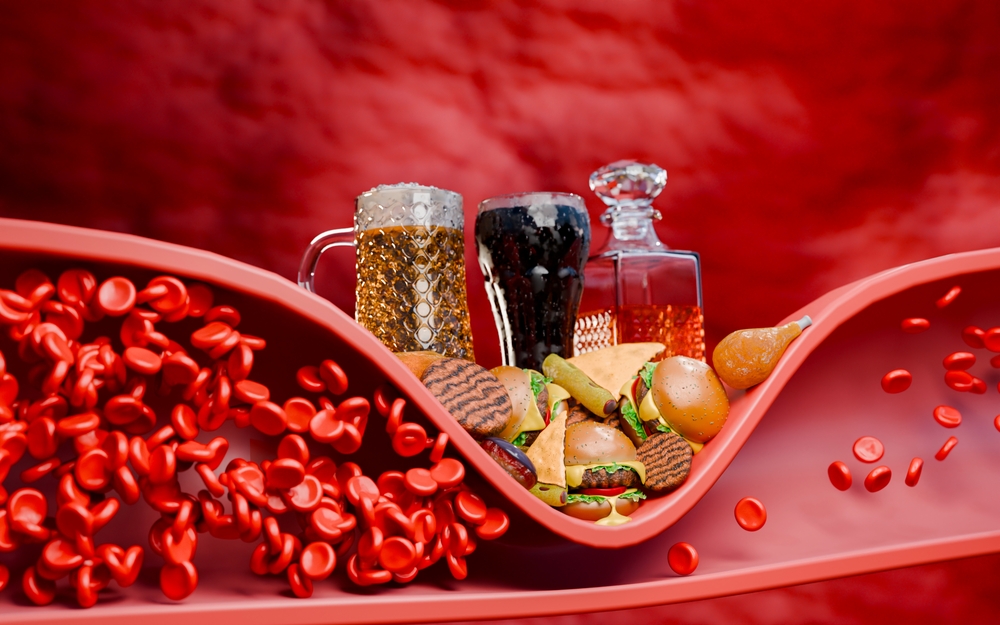
Your body needs fat. However, eating too much saturated fat can increase your risk factors for cardiovascular disease (CVD). Higher intakes have been linked to increases in several markers of heart health, including triglycerides, LDL cholesterol, and apolipoprotein B (ApoB).
Elevated triglycerides and LDL increase the risk of plaque buildup in arteries, called atherosclerosis. Plaque causes a narrowing of blood vessels, which can raise the risk of hypertension, stroke, and heart attack.
Apolipoprotein B is a protein that attaches to plaque-forming LDL cholesterol. High levels of ApoB are linked to an increased risk of heart disease. Research suggests ApoB is a more reliable assessor of an individual’s heart disease risk. You can have your levels of ApoB checked with an advanced cardiac lipid panel.
One mechanism behind the rise in LDL with saturated fat intake involves the downregulation of LDL receptors on liver cells. These receptors are responsible for clearing LDL cholesterol from the blood. When fewer receptors are available, more LDL particles remain in circulation, increasing the likelihood of plaque formation and cardiac events.
Researchers have associated diets high in saturated fat with higher rates of mortality. Some evidence also suggests that excess intake increases systemic inflammation, cancer risk, and insulin resistance. Foods with saturated fat tend to be high in total fat and calories, which can also contribute to unwanted weight gain over time (a known risk factor for heart disease).
Sources of Saturated Fat
Saturated fats are primarily found in animal foods and tropical oils, including:
- Meat and poultry, like fatty cuts of beef and pork, skin-on poultry, bacon, sausage
- Full-fat dairy, like cream, half and half, whole milk, cheese, butter, ice cream
- Lard
- Tallow
- Shortening
- Coconut oil
- Palm oil
In addition to these foods, ultra-processed, fried, and convenience foods (like donuts, fast food items, and frozen meals) also contain saturated fat.
Saturated fat can also add up from large portions of heart-healthy fats as well, and we need to assess the total saturated fat from all food sources to understand your daily limit.
How Much Saturated Fat Should I Eat?
Because this type of fat can negatively impact health and raise your risk of heart disease, official health and nutrition organizations have set guidelines for daily recommended intake and advocate for a generally low saturated fat diet.
The Dietary Guidelines for Americans recommends limiting saturated fat intake to 10% of total daily calories. The American Heart Association recommends limiting intake to less than 6% of total daily calories.
First, all fats contain 9 calories per gram. Here’s how to calculate saturated fat as a percentage of daily total calories:
- Step 1: Determine how many grams of saturated fat you eat in a day (by reading nutrition facts labels or looking up foods on the USDA FoodData Central Database).
- Step 2: Calories from saturated fat = grams of saturated fat per day X 9 calories per gram of saturated fat
- Step 3: Percent of calories from saturated fat = calories from saturated fat ➗ total daily calories X 100%.
Example:
- 35 grams of saturated fat × 9 calories = 315 calories from saturated fat
- 315 ÷ 2,200 total daily calories = 0.14 × 100% = 14%
In this example, saturated fat makes up 14% of total daily calories, which is well above the recommended range.
Keep in mind: These general recommendations may not be appropriate for everyone. Individuals with familial hypercholesterolemia (FH), a genetic condition that causes dangerously high LDL from a young age, may need to follow an even stricter low-saturated-fat diet to reduce their lifelong risk of premature heart disease.
Similarly, those with familial chylomicronemia syndrome (FCS), a rare genetic disorder that severely impairs fat metabolism, often need to follow an extremely low-fat diet to prevent serious complications like pancreatitis.
Ultimately, the amount of saturated fat that’s appropriate for you to eat will be determined by your health history, genetics, and blood work. A registered dietitian who specializes in heart disease can help you determine exactly how much to allow in your diet.
Tips to Reduce Saturated Fat Intake
Dietary fat provides our bodies with energy, helps us absorb fat-soluble vitamins and antioxidants, and is necessary for hormone production and normal cell function.
Instead of trying to remove all saturated fat from your diet, focus on including more healthy, unsaturated fats. Replacing foods high in saturated fats with foods that contain unsaturated fats is linked to several health benefits, including reduced risk of CVD and less weight gain as you age.
Some healthy fats, such as avocado and nuts, contain mostly unsaturated fats along with a small amount of saturated fat. Although these foods are better choices, they need to be portion-controlled to keep your intake of saturated fats low.
Try these easy food swaps to reduce your intake of saturated fats:
- Cook with avocado oil instead of butter, coconut oil, or lard
- Remove skin from poultry
- Trim visible fat from meat
- Bake, roast, or sauté instead of frying foods
- Choose plain, fat-free, low-fat, or dairy-free milk, cottage cheese, and yogurt instead of whole milk versions
- Replace some of the ground beef in recipes, such as meat sauce, with beans, lentils, tempeh, or mushrooms
- Replace the butter in baked goods with mashed avocado or unsweetened applesauce
Following a heart-healthy cardiac diet can help you optimize fat intake. Eating a diet based on minimally processed and whole foods, such as vegetables, fruit, whole grains, nuts, seeds, and lean proteins, is naturally low in saturated fat and supports overall health.
Saturated Fat FAQs
Are eggs high in saturated fat?
Eggs do contain some fat, but they are not considered a high-fat food. A single large egg contains about 5 grams of total fat. Of that, only 1 gram is saturated fat, and the rest is unsaturated. Saturated fat in eggs is housed in the yolk, not the whites.
Does chicken have saturated fat?
People often become confused by saturated fat in meat. On the one hand, animal foods like meat and dairy are convenient sources of protein that support lean muscle mass and enhance satiety. On the other hand, they contain saturated fats. Are these foods healthy or not?
As mentioned above, fatty cuts of red meat and poultry with the skin contain saturated fat. Choosing more lean proteins, such as top sirloin or boneless and skinless chicken breasts, can help you consume less saturated fat.
Chicken does contain some saturated fat, but the amount depends on the type of chicken. White meat and skinless cuts contain less saturated fat than dark meat and chicken with skin on.
Here’s the saturated fat content in several cuts of chicken:
- 3-ounces chicken breast without skin: Less than 1 gram saturated fat
- 3-ounces chicken breast with skin: 2 grams saturated fat
- 3-ounces chicken thighs with skin: 3.49 grams saturated fat
- 3-ounces chicken wings with skin: 4.23 grams saturated fat
Are nuts high in saturated fat?
Most nuts are rich in heart-healthy unsaturated fats, not saturated fats. While nuts like macadamias and Brazil nuts contain slightly more saturated fat than others, they also provide fiber, plant sterols, and antioxidants that have cardiovascular benefits.
What oils are high in saturated fat?
Cooking oils like palm, coconut, and palm kernel oil are predominantly made of saturated fat, whereas olive and canola oils are low in saturated fat and higher in monounsaturated fat.
Is saturated fat solid at room temperature?
Yes, the chemical structure of saturated fats makes them solid at room temperature, such as butter, lard, and coconut oil.
Saturated Fat and Your Heart: The Bottom Line
While keeping your saturated fat intake is important for cardiovascular wellness, it’s just one part of the larger picture. Your overall diet, lifestyle habits, genetics, and clinical markers like LDL cholesterol, ApoB, blood pressure, and inflammation influence heart health. Rather than focusing on one nutrient, a diet that is truly heart-healthy and nutritionally adequate will improve all of these cardiovascular metrics. It will include plenty of fiber, healthy fats, lean proteins, and colorful plants.
I can help you optimize your heart health and make targeted changes, including science-based nutrition, through 1:1 counseling or my Optimize Group Program. You can also schedule a complimentary 15-minute discovery call first.
Sources
- Maki KC, Dicklin MR, Kirkpatrick CF. Saturated fats and cardiovascular health: Current evidence and controversies. J Clin Lipidol. 2021;15(6):765-772. doi:10.1016/j.jacl.2021.09.049 https://pubmed.ncbi.nlm.nih.gov/34649831/
- Behbodikhah J, Ahmed S, Elyasi A, et al. Apolipoprotein B and Cardiovascular Disease: Biomarker and Potential Therapeutic Target. Metabolites. 2021;11(10):690. Published 2021 Oct 8. doi:10.3390/metabo11100690 https://pmc.ncbi.nlm.nih.gov/articles/PMC8540246/
- Kim Y, Je Y, Giovannucci EL. Association between dietary fat intake and mortality from all-causes, cardiovascular disease, and cancer: A systematic review and meta-analysis of prospective cohort studies. Clin Nutr. 2021;40(3):1060-1070. doi:10.1016/j.clnu.2020.07.007 https://pubmed.ncbi.nlm.nih.gov/32723506/
- Fritsche KL. The science of fatty acids and inflammation. Adv Nutr. 2015;6(3):293S-301S. Published 2015 May 15. doi:10.3945/an.114.006940 https://pmc.ncbi.nlm.nih.gov/articles/PMC4424767/
- Dietary Guidelines for Americans. Cut Down on Saturated Fat. https://www.dietaryguidelines.gov/sites/default/files/2021-11/DGA_FactSheet_SaturatedFats-07-09_508c_0.pdf
- American Heart Association. (2024). Saturated Fat. https://www.heart.org/en/healthy-living/healthy-eating/eat-smart/fats/saturated-fats
- Javed F, Hegele RA, Garg A, et al. Familial chylomicronemia syndrome: An expert clinical review from the National Lipid Association. J Clin Lipidol. Published online March 22, 2025. doi:10.1016/j.jacl.2025.03.013 https://pubmed.ncbi.nlm.nih.gov/40234111/
- Hooper L, Martin N, Abdelhamid A, Davey Smith G. Reduction in saturated fat intake for cardiovascular disease. Cochrane Database Syst Rev. 2015;(6):CD011737. Published 2015 Jun 10. doi:10.1002/14651858.CD011737 https://pubmed.ncbi.nlm.nih.gov/26068959/
- Liu X, Li Y, Tobias DK, et al. Changes in Types of Dietary Fats Influence Long-term Weight Change in US Women and Men. J Nutr. 2018;148(11):1821-1829. doi:10.1093/jn/nxy183 https://pmc.ncbi.nlm.nih.gov/articles/PMC6209808/